
Should You Sell First or Buy First in Miami? What Homeowners Need to Know Before Moving Up

Should you sell first or buy first in Miami? The answer depends on your finances, timeline, risk tolerance, current home equity, and whether you can qualify for your next mortgage before selling your current home. There is no one-size-fits-all answer for Miami move-up buyers because inventory, pricing, insurance costs, interest rates, HOA timelines, condo rules, and moving logistics can all affect the decision.
For many South Florida homeowners, the choice comes down to two different risks. Selling first can reduce financial pressure, but it may leave you without a home if you cannot find the right next property quickly. Buying first can give you more control over where you move, but it can also create financing, carrying cost, and timing pressure.
The best strategy is usually the one that protects your equity, matches your comfort level, and gives you enough time to make a smart decision. Before choosing, speak with your lender, real estate agent, attorney, and tax professional when needed.
Many homeowners do not realize how emotional this decision can feel until they are in the middle of it. You may be excited about moving into a home that fits your life better, but the timing can feel overwhelming. My goal is to help you understand your options before you feel pressured to make one of the biggest decisions of your life.
Why This Decision Is More Complicated in Miami
Selling and buying at the same time is always a balancing act, but Miami and South Florida add extra layers.
Miami-Dade’s market can change quickly by price range, neighborhood, property type, and building condition. In March 2026, Miami Realtors reported that Miami-Dade single-family active inventory decreased 7.4 percent year over year, while the median single-family sale price was $674,000 and median time to contract was 50 days. That means some sellers may still face competition when buying their next home, especially in desirable areas and well-priced segments.
Condos and townhomes bring different issues. Some buildings have longer approval timelines, association rules, financing restrictions, insurance questions, reserve requirements, and possible special assessments. Florida also continues to adjust condo laws after major safety reforms. These changes can affect how buyers, lenders, and associations review condo and townhome purchases.
Insurance also matters. Even when insurance costs improve in certain areas or policy categories, insurance remains a major cost and underwriting factor for many Florida homeowners.
In other words, the right move is not only about the sale price. It is about timing, cash flow, approvals, financing, insurance, and where you can realistically land next.
Who This Guide Is For
This guide is especially helpful if you already own a home in Miami, Miami-Dade, Broward, or another part of South Florida and you are thinking about moving into a property that better fits your current needs.
You may be considering:
- Moving into a larger home
- Downsizing into something easier to maintain
- Relocating locally
- Moving closer to work, family, or important services
- Changing property types, such as moving from a condo to a single-family home or from a house to a townhome
- Buying a one-story home or a home with a different layout
- Moving into another school district based on your family’s needs
Whatever the reason, the question is the same: should you sell your current home first, or should you buy your next home first?
Option 1: Selling First
Selling first means you sell your current Miami or South Florida home before closing on your next purchase. You may move into temporary housing, stay with family, rent short term, or negotiate a post-closing occupancy agreement if the buyer agrees.
This strategy often works best for homeowners who want a clearer budget before buying. Once your current home sells, you know how much equity you have available for the next purchase. That can make your financing conversation more straightforward.
Selling first can also reduce the stress of carrying two homes at once. You are not paying two mortgages, two sets of utilities, two insurance policies, or two association fees for an extended period.
For homeowners moving up in Miami, selling first can be especially useful if your purchase depends on proceeds from your current home. It may also make sense if your lender says you cannot qualify for the next home while still carrying the current mortgage.
Pros of Selling First
The biggest advantage of selling first is financial clarity. You know your net proceeds before committing to the next purchase. That helps you set a realistic price range and avoid overextending yourself.
Selling first can also make your next offer stronger if you no longer need a home-sale contingency. In competitive parts of Miami, sellers may prefer buyers who have already sold or who have cash available.
Another benefit is reduced carrying cost risk. South Florida ownership expenses can be high when you include property taxes, insurance, utilities, maintenance, association fees, and mortgage payments. Selling first may reduce the chance that you are paying for two homes longer than expected.
Selling first can also give you time to prepare your current home properly. You can focus on pricing, staging, repairs, showings, and negotiation without also trying to close on your next home at the same time.
For homeowners with significant equity, selling first can feel cleaner and more predictable. It turns your current home into usable funds before you make the next decision.
Cons of Selling First
The main downside of selling first is housing uncertainty. You may sell your home and then struggle to find the right next property.
That risk matters in Miami because inventory can vary widely by neighborhood, property type, price point, building condition, and lifestyle needs. A homeowner moving from a single-family home in Kendall to a condo in Coral Gables will face different options than someone moving from a townhome in Doral to a larger home in Palmetto Bay.
Selling first can also lead to temporary housing costs. Short-term rentals, storage, double moves, pet accommodations, and school or commute disruptions can add stress and expense.
There is also emotional pressure. Once your home is sold, you may feel rushed to buy something that is “good enough.” That can lead to compromises on location, layout, building condition, flood zone, HOA rules, insurance costs, or commute.
Selling first may be the safer financial choice, but it is not always the easier lifestyle choice.
Option 2: Buying First
Buying first means you secure your next home before selling your current one. This can feel more comfortable because you know exactly where you are going before you give up your current home.
For many Miami move-up buyers, buying first is attractive because the right property may not be available every week. If you are looking for a specific location, property type, layout, lot size, building style, or community features, waiting until after you sell may feel risky.
Buying first can also make the move itself smoother. You may have time to renovate, paint, clean, move gradually, or coordinate school, work, caregiving, and family schedules.
However, this strategy usually requires stronger finances. Your lender must confirm whether you can qualify while still owning your current home. You also need a plan for down payment funds, closing costs, insurance, reserves, and carrying costs.
Pros of Buying First
The biggest advantage of buying first is control. You do not have to leave your current home until you know where you are going.
That control can be valuable in Miami, where lifestyle details matter. A homeowner may be moving closer to family in Coral Gables, downsizing to a Brickell condo, relocating from Broward to Miami-Dade, or moving into a home that better fits aging parents, adult children, work needs, or a new stage of life.
Buying first can also help you avoid temporary housing. Instead of moving twice, you can move directly from your current home to your next one.
Another advantage is better decision-making on the purchase side. Without the pressure of an immediate move-out deadline, you may be more patient and selective.
Buying first can also help if the next home needs work. In South Florida, buyers often want time to handle repairs, inspections, insurance quotes, association approvals, contractor estimates, or minor updates before moving in.
Cons of Buying First
The main downside of buying first is financial exposure. You may carry two homes if your current property does not sell quickly.
That exposure can include two mortgage payments, two insurance policies, two sets of utilities, two maintenance responsibilities, and possibly two association payments. In a higher-cost market like Miami, those expenses can add up quickly.
Financing can also be harder. Your lender may include both mortgage payments in your debt-to-income ratio unless there is an accepted contract, lease, or other acceptable documentation. Interest rates, loan program rules, and underwriting requirements can affect whether buying before selling a house in Florida is realistic for you.
There is also pricing risk. If your current home sells for less than expected, your post-purchase finances may feel tighter. If the sale takes longer than expected, you may have to reduce the price or make concessions.
Buying first gives you more control over where you go, but it can create more pressure if the sale side does not go as planned.
What Miami Homeowners Should Consider Before Deciding
Before deciding whether to sell first or buy first in Miami, homeowners should look at the full picture.
Your Ability to Qualify Before Selling
Start with your lender. Ask whether you can qualify for the next home while keeping your current mortgage. This is one of the most important questions because it determines which strategies are realistic.
A lender can also explain how your equity, savings, income, debts, interest rate, property taxes, insurance, and association fees affect approval.
Your Equity Position
If you need proceeds from your sale for the next down payment, selling first may be more practical. If you have enough savings, investments, or financing options, buying first may be possible.
Equity also affects your comfort level. A homeowner with a large cushion may be able to handle temporary overlap better than someone who needs every dollar from the sale.
Inventory in Your Target Area
Look carefully at the type of home you want next. If the next home is common in your budget, selling first may feel safer. If the next home is rare, buying first may help you avoid missing the right opportunity.
Miami real estate planning should be neighborhood-specific. Coconut Grove, Homestead, Aventura, Doral, Miami Beach, Coral Gables, Hialeah, Kendall, and Palmetto Bay can behave differently.
Your Current Home’s Likely Sale Timeline
Ask your agent for a realistic pricing and timing analysis. How many similar homes are active? How long are they taking to sell? Are buyers negotiating heavily? Are insurance issues affecting your property type? Are inspections likely to raise concerns?
In Miami-Dade single-family homes, March 2026 median time to contract was 50 days, but your property may move faster or slower depending on condition, price, location, and demand.
Your Risk Tolerance
Some homeowners are comfortable with uncertainty. Others sleep better knowing one transaction is complete before starting the next.
Neither approach is wrong. The best plan is the one you can live with financially and emotionally.
Special Concerns for Condo and Townhome Buyers in South Florida
Condo and townhome purchases in South Florida require extra planning.
HOA and Condo Association Approval
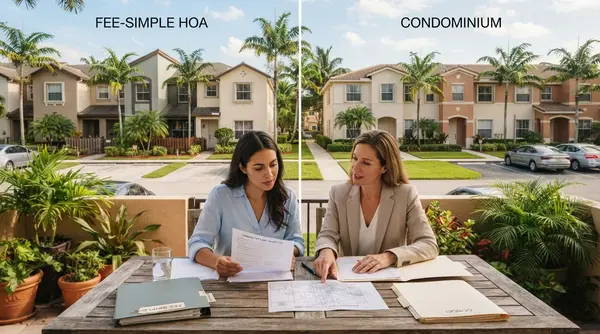
Many condo and townhome communities require buyer approval before closing. Approval timelines vary by association and may include applications, fees, interviews, background checks, financial documents, and board review.
If you are selling and buying at the same time, an association delay can affect your closing schedule.
Special Assessments and Reserves
Special assessments can change the true cost of ownership. Condo associations may need assessments for repairs, insurance deductibles, reserve funding, litigation, structural work, or building improvements.
Florida’s post-Surfside condo environment has increased attention on inspections, reserves, building safety, and long-term maintenance planning. These issues can affect both monthly costs and financing.
Financing Issues
Condo financing can depend on the building, not only the buyer. Lenders may review the association’s budget, reserves, insurance, litigation, occupancy, structural issues, and questionnaire responses.
A buyer may be financially strong but still face loan problems if the building does not meet lender or investor requirements.
Insurance Costs
Insurance affects both single-family homes and condos, but condos involve multiple layers. Buyers may need to understand the association’s master policy, their own unit policy, flood insurance, windstorm coverage, deductibles, and lender requirements.
Do not assume the monthly HOA fee tells the whole story. Ask questions early.
Questions to Ask Before Choosing a Strategy
Before choosing whether to sell first or buy first, ask:
- Can I qualify for the next home before selling?
- How much equity do I need from my current home?
- What is my realistic sale price after costs?
- How long could I afford to carry both homes?
- What happens if my home takes longer to sell?
- What happens if I sell quickly and cannot find the right home?
- Is temporary housing realistic for my family?
- Are there school, work, caregiving, or medical timing concerns?
- Am I buying a condo or townhome with association approval?
- Are insurance quotes available before I commit?
- Are there special assessments, reserves, or building issues?
- Should I involve an attorney or tax professional before signing?
These questions will not create a perfect answer, but they can prevent rushed decisions.
When Bridge Loans, HELOCs, Cash Offers, Temporary Housing, or Sale Contingencies May Be Considered
Some homeowners use financing or contract strategies to bridge the gap between selling and buying.
A bridge loan may help homeowners access short-term funds before their current home sells. It can be useful, but it may involve higher costs, stricter approval, and added risk.
A home equity line of credit, often called a HELOC, may allow access to equity before selling. This must be reviewed carefully with a lender because timing, qualification, repayment, and lien position matter.
Some homeowners consider cash offer programs or buy-before-you-sell programs. These may simplify timing, but the fees, pricing, terms, and tradeoffs should be reviewed closely.
Temporary housing can reduce pressure by separating the sale from the purchase. This may work well for homeowners who want to sell first but do not want to rush into the wrong next home.
A sale contingency may allow you to offer on a new home while making the purchase dependent on selling your current home. In a competitive Miami market, some sellers may resist this. In slower segments, it may be more acceptable.
None of these options is automatically good or bad. Each should be reviewed with your lender, agent, and professional advisors.
Why Planning Ahead Can Reduce Stress and Help Protect Your Equity
Planning ahead matters because timing mistakes can be expensive.
If you list too late, you may miss the right buying window. If you buy too quickly, you may carry two homes longer than expected. If you underprice your home because you are rushed, you may leave equity on the table. If you overestimate your buying power, you may lose time and emotional energy.
A thoughtful plan helps you understand:
- Your likely sale price
- Your net proceeds
- Your financing options
- Your target locations
- Your backup housing options
- Your insurance exposure
- Your condo or HOA approval timeline
- Your moving logistics
- Your professional guidance needs
Florida homeowner moving tips are not just about packing boxes. They are about protecting your financial position during one of the largest transitions you may make.
The best move-up strategy gives you enough structure to act confidently and enough flexibility to respond when the market changes.
FAQ: Selling First or Buying First in Miami
Is it better to sell first or buy first in Miami?
It depends on your finances, timeline, risk tolerance, and whether you can qualify for your next home before selling. Selling first often gives more financial clarity. Buying first often gives more control over where you move.
Can I buy a house in Florida before selling my current home?
Yes, some homeowners can buy before selling, but it depends on lender approval, income, debts, down payment funds, reserves, and ability to carry both homes. Speak with your lender before making assumptions.
What is the biggest risk of selling first?
The biggest risk of selling first is not finding the right next home quickly. You may need temporary housing or feel rushed to buy.
What is the biggest risk of buying first?
The biggest risk of buying first is carrying two homes if your current property does not sell as quickly or for as much as expected.
Are condos harder to buy and sell at the same time in South Florida?
They can be. Condo and townhome transactions may involve association approval, building insurance, reserves, special assessments, financing reviews, and governing documents. These issues can affect timing and approval.
Should I use a sale contingency?
A sale contingency may help protect you if you need to sell your current home before buying, but it can make your offer less attractive to some sellers. Your agent can explain how competitive it may be in your target area.
Who should I talk to before deciding?
Start with your real estate agent and lender. Depending on your situation, you may also need an attorney, tax professional, insurance agent, or financial advisor.
A Practical Next Step for Miami Homeowners
Selling and buying at the same time in Miami is not just a transaction. It is a timing, financing, lifestyle, and risk-management decision.
You do not need to know the perfect answer before you start. You do need a clear picture of your options.
If you are thinking about moving up in Miami, downsizing, relocating locally, or buying a home that better fits your life now, consider having a move-up planning conversation before you list or make an offer.
Before you decide whether to sell first or buy first, I can help you compare both paths side by side. We can look at your likely sale price, your estimated net proceeds, your buying power, your target locations, your timing concerns, and your backup options so you can make the decision with more clarity.
If you are still trying to understand whether moving up makes sense financially, you may also want to review my guide on the 7 numbers every Miami homeowner should know before moving up.
The goal is not to rush you. The goal is to help you move with less stress, better planning, and stronger protection for the equity you have built.
Recent Posts









GET MORE INFORMATION