
Condo vs. Townhome vs. Single-Family in Miami

Which One Fits Move-Up Buyers Best?
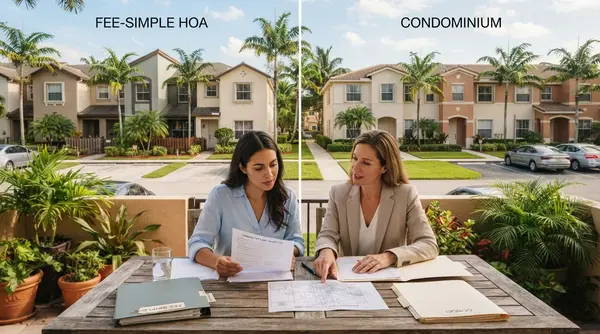
If you’re a move-up buyer in Miami, single-family homes are usually the simplest to finance and give the most control, but they come with the highest responsibility for maintenance and insurance. Townhomes are often the “middle ground”—more space and privacy than a condo, with some shared maintenance and an HOA to manage. Condos can be the most convenient day-to-day, but they often carry the most hidden risk (association financials, special assessments, stricter financing rules, and document review delays). The best choice depends on your lifestyle, how much control you want, and how predictable you need your monthly costs to be.
If you want the quick ‘big picture’ first, here’s the simplest way I explain it to Miami move-up buyers:
Quick Comparison (Miami Move-Up Buyers)
Condo
-
Control & privacy: Lowest (shared building + rules)
-
Financing “smoothness”: Can be hardest (building must qualify)
-
HOA / fee risk: Highest (fees + special assessments)
-
Maintenance responsibility: Mostly interior only (exterior is shared)
-
Closing timeline risk: Highest (docs + lender condo review)
Townhome
-
Control & privacy: Medium-high (more “home feel,” still HOA)
-
Financing “smoothness”: Usually smooth (depends on HOA setup)
-
HOA / fee risk: Medium (varies a lot by community)
-
Maintenance responsibility: Shared/partial (depends what HOA covers)
-
Closing timeline risk: Medium (less than condos, more than SFH)
Single-Family
-
Control & privacy: Highest (no board decisions, no shared walls)
-
Financing “smoothness”: Usually easiest/fastest
-
HOA / fee risk: Often none (but you pay maintenance directly)
-
Maintenance responsibility: 100% on you (roof, yard, exterior)
-
Closing timeline risk: Lowest (fewer third-party delays)
-
✅ Fastest financing: Single-family
-
⭐ Best middle ground: Townhome
-
⚠️ Most paperwork/risk: Condo
-
Why this decision matters more in Miami right now
Move-up buyers usually aren’t shopping for “more.” They’re shopping for fit:
-
space for kids, family, or a home office
-
a better layout
-
a yard, parking, privacy, or quiet
-
a place that supports your next chapter without adding stress
In South Florida, this choice also affects:
-
how smooth your financing will be
-
how many surprise costs you’ll face
-
how long the transaction takes
-
what your monthly budget looks like after closing
So instead of starting with listings, start with clarity.
1) Lifestyle & control: how you actually want to live
Condos (convenience + shared living)
Best for buyers who value:
-
low exterior responsibility
-
amenities (pool, gym, security)
-
lock-and-leave lifestyle
But be honest about tradeoffs:
-
shared walls + noise risk
-
less privacy and fewer outdoor options
-
rules for guests, pets, parking, and rentals
Townhomes (space + convenience balance)
Townhomes often feel like the “step-up” many buyers want:
-
more space and better layouts than most condos
-
often private entrances and more privacy
-
sometimes small patios or outdoor areas
-
often easier parking than a condo
But they still come with HOA rules and dues.
Single-Family homes (control + responsibility)
Best for buyers who want:
-
full control (no board decisions, no shared walls)
-
a yard, privacy, and the most flexibility
-
room to grow and customize over time
But you are responsible for:
-
roof, exterior, yard, and storm prep
-
maintenance reserves
-
bigger insurance variables
In Miami, “freedom” is amazing, but it’s only enjoyable if you budget for the responsibility that comes with it.
2) Financing: which one is easiest to buy?
This is where many buyers get surprised.
Single-family: usually simplest
In general, lenders treat single-family homes as straightforward:
-
fewer extra approvals
-
fewer association document requirements
-
fewer closing delays caused by third parties
Townhome: often similar to single-family
Most townhomes finance smoothly, but it depends on HOA structure:
-
what the HOA covers
-
how the community is insured
-
whether there are legal/financial issues
Condo: can be the most complicated
Condos often require:
-
condo questionnaire
-
association budgets and reserves review
-
insurance verification
-
confirmation of litigation, delinquencies, and owner occupancy
Some buildings become “harder” to finance, which can affect:
-
loan options
-
down payment requirements
-
closing timelines
Practical reality: If you’re moving up and you want the smoothest path, condos require the most “due diligence energy.”
3) HOA fees and what they really mean
HOA fees aren’t automatically bad. But in Miami, they must be understood.
What to ask every time:
-
What does the fee include exactly?
-
How much has it increased in the last 3–5 years?
-
Are there current or upcoming special assessments?
-
What do reserves look like for the age of the community/building?
-
Are there rental restrictions or approval processes?
Condos tend to have higher “unknowns”
Because the association is responsible for major structural components, insurance, and common areas, the fee can rise quickly when costs rise.
Townhomes vary widely
Some townhome HOAs cover very little. Others cover roof/exterior landscaping and insurance. You need clarity.
Single-family usually has no HOA (but still has costs)
Even without an HOA, you still pay for:
-
maintenance reserves
-
roof and A/C replacements
-
landscaping
-
exterior insurance
So the question isn’t “HOA or no HOA.”
The question is: how predictable is your monthly life?
4) Maintenance realities: who pays, who decides, who waits?
This is a big move-up question.
Condos: low maintenance, lower control
You may do less day-to-day upkeep, but you have less control over:
-
building repairs timing
-
contractor quality
-
assessment decisions
-
rule changes
Townhomes: shared responsibility
You might get:
-
exterior maintenance handled
-
landscaping included
-
sometimes roof included
But you still live under a HOA’s decisions.
Single-family: total responsibility
No board approvals, no assessments… but you must plan for:
-
roof
-
A/C
-
plumbing
-
termites and WDO inspections
-
storm prep
5) Timeline & risk: why condos can close slower
Many move-up buyers are also selling a home. Timing matters.
Condos can take longer because:
-
HOA approvals
-
docs review periods
-
lender condo approval steps
-
insurance verification delays
If you’re trying to coordinate a buy + sell, that can add stress.
If you’re choosing a condo/townhome, build buffer time into your contract timeline.
6) A simple “best fit” guide for move-up buyers
Choose a condo if:
-
you want convenience + amenities
-
you prefer low exterior responsibility
-
you’re okay with HOA rules and document review
-
you don’t mind shared living
Choose a townhome if:
-
you want more space and privacy than a condo
-
you want some convenience but more “home feel”
-
you’re okay with an HOA but want fewer condo-style risks
-
you want a strong middle ground
Choose a single-family home if:
-
you want maximum control and privacy
-
you want a yard/parking flexibility
-
you can budget for insurance and maintenance reserves
-
you prefer fewer transaction delays
Move-Up Buyer Checklist (use this before you commit)
Before you fall in love with a home, confirm:
-
estimated insurance range
-
estimated taxes at your purchase price
-
HOA fee + history + reserves + assessments
-
document timeline (especially condos)
-
your comfort level with maintenance responsibility
-
your Plan B if the transaction takes longer than expected
If you’re planning to move up in Miami, I’m happy to help you compare condos vs townhomes vs single-family options based on your lifestyle and your monthly comfort level—so you don’t get surprised later.
No pressure—just clarity.
Recent Posts







GET MORE INFORMATION