
Move-Up in Miami Without Overextending: The 7 Numbers That Actually Matter

If you’re moving up in Miami, the smartest plan isn’t “how much house can I buy?” — it’s how much monthly risk can I comfortably carry while you sell, move, and settle in. The move-up buyers who feel calm (instead of stretched) focus on 7 numbers: monthly payment comfort, insurance + taxes, HOA, cash to close, reserves, the “two-home overlap” budget, and your Plan B if the sale takes longer than expected.
Why moving up feels harder lately
Most move-up buyers aren’t trying to be flashy. They’re trying to breathe.
Maybe the family grew. Maybe you work from home now. Maybe you’re tired of tight parking, stairs, or a layout that doesn’t work anymore. You’re not “upsizing” because you want more stuff — you want more function.
But here in Miami/South Florida, the move-up decision can feel heavier than it used to because the monthly costs are less predictable:
-
insurance can jump at renewal
-
taxes can change significantly when you buy
-
HOA fees can surprise you
-
and timing the sale + purchase can create a stressful overlap
So let’s make this simple: if you’re considering a move-up, here are the 7 numbers you need before you fall in love with a house.
1) Your “comfortable monthly payment” (not the max you qualify for)
Lenders approve based on ratios. Your life runs on reality.
A calm move-up plan starts with your comfortable monthly number, the payment that still lets you sleep at night and live your life:
-
groceries + gas
-
childcare / school costs
-
savings
-
travel / family obligations
-
“life happens” expenses
A good rule: pick a monthly payment you can handle even if something changes (a repair, a rate bump, or a temporary income shift). The goal isn’t to “win the approval.” The goal is to feel stable after closing.
When I guide move-up buyers, we start with comfort first — not maximum approval — because the best home is the one you can enjoy without financial tension.
2) Insurance estimate (the Miami reality number)
In South Florida, insurance can be the difference between “this is perfect” and “this is impossible.”
Before you commit to a property, you want a realistic insurance range based on:
-
roof age + shape
-
wind mitigation features
-
property type (condo/townhouse/single-family)
-
claim history (if available)
-
flood zone / elevation considerations
If you’re moving from a condo to a single-family home, insurance can be a shock. If you’re moving from an older home to a newer one, it might improve.
Either way, the move-up buyers who stay calm get the insurance conversation started early — not after contract.
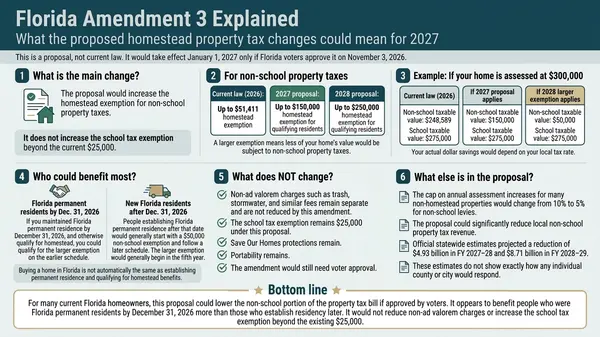
3) Taxes: what you pay now vs. what you’ll pay after purchase
A lot of buyers look at the current owner’s taxes and assume it will be similar.
In Florida, that can be misleading because taxes reset based on purchase price and exemptions change. So your move-up plan should compare:
-
your current tax bill
-
estimated taxes on the new home (based on purchase price)
-
whether you’ll apply for homestead on the new property
You don’t need perfection. You need a realistic range so you’re not surprised later.
4) HOA and condo fees (and what they hide)
HOA fees aren’t automatically “bad.” But they need to be understood.
What matters isn’t just the number — it’s:
-
what’s included
-
how fast fees have increased
-
whether there are special assessments or underfunded reserves
-
whether rules affect your lifestyle (parking, pets, rentals, guests)
Move-up buyers often get excited about the home and forget the HOA is a long-term commitment too.
Simple filter: If the HOA feels confusing or defensive when you ask questions, that’s data.
5) Cash to close (and how much you keep afterward)
Move-up buyers usually have equity, but equity is not cash until the sale is done.
Two important numbers:
-
How much cash do you need at closing?
-
How much cash will you still have after?
The best move-up buyers don’t drain everything just to “make it happen.” They protect their future self.
I like seeing buyers keep a cushion for:
-
the first few months of the new payment
-
moving costs
-
small repairs and upgrades
-
“new house surprises”
6) The overlap budget (can you carry two homes temporarily?)
This is the biggest stress point for move-up buyers.
If you buy first, there may be a window where you carry:
-
the new payment
-
plus the old payment
-
plus utilities/insurance on both
-
plus moving costs
Even if it’s only 30–60 days, you need to know if you can handle it.
Two calm approaches
Sell first (less risk):
-
You sell, then buy with clarity
-
But you need a plan for where you’ll live in between (rent-back, temporary rental, or staying with family)
Buy first (more control, more risk):
-
You secure the home you want
-
But you need a Plan B if your current home takes longer to sell
A good plan isn’t about being brave. It’s about being protected.
7) Your Plan B (the “what if” that saves you)
Move-up success isn’t just the plan you want. It’s what you’ll do if something shifts.
Examples of Plan B questions:
-
If my home doesn’t sell in 30 days, what’s our move?
-
If repairs come up, do we have room?
-
If the appraisal comes in low, what’s our negotiation plan?
-
If HOA approval or underwriting adds time, can we stay flexible?
When we build a Plan B ahead of time, you stop feeling like everything is a gamble, because you’re ready either way.
A simple “Move-Up Ready” checklist
If you want a quick next step, here’s what I recommend:
-
Choose your comfortable monthly payment
-
Ask your lender for two scenarios:
-
buy first
-
sell first
-
-
Get a realistic estimate for: insurance + taxes + HOA
-
Confirm your cash to close and how much reserve you’ll keep
-
Decide your overlap comfort: 0 days, 30 days, 60 days
-
Write a Plan B in one sentence:
“If the sale takes longer than expected, we will ______.”
This takes you from “hope” to “plan.”
Next step: Build your Move-Up Plan
If you’re thinking about moving up this year, I’m happy to help you build a simple Move-Up Plan that compares:
-
buy first vs sell first timelines
-
true monthly cost (insurance, taxes, HOA)
-
your safest path based on your comfort level
No pressure — just clarity so you can move up without overextending.
FAQ (Move-Up Buyers)
Should I buy first or sell first in Miami?
It depends on your risk tolerance and cash reserves. If carrying two homes would feel stressful, selling first is usually safer. If you need a very specific home and inventory is tight, buying first can work — but only with a clear overlap budget and a Plan B if your current home takes longer to sell.
How do I know what monthly payment is “comfortable” vs. just what I qualify for?
A comfortable payment is the one that still allows room for savings, repairs, childcare, and “life happens” expenses. A good rule is to choose a payment you can handle even if a cost increases (insurance renewal, HOA changes) or you have an unexpected expense.
How much money should I keep in reserves after closing?
Many move-up buyers feel safest keeping enough for moving costs plus a cushion for early surprises (repairs, upgrades, utility deposits). A common target is several months of housing expenses, but the right number depends on your comfort level and income stability.
Why are Florida property taxes different after you buy?
The previous owner’s taxes may reflect exemptions or capped increases. After purchase, taxes can reset based on the new price and your exemptions. That’s why it’s important to estimate taxes based on your purchase price rather than assuming the current tax bill will be similar.
What’s the biggest surprise cost for move-up buyers in South Florida?
Insurance is a big one — especially when moving from condo to single-family, or buying an older roof/home. HOA fees and special assessments can also be surprises in condos and townhome communities. It’s worth getting realistic ranges early.
Do I need a home sale contingency when moving up?
A home sale contingency can reduce risk, but it can also make your offer less attractive in competitive situations. When it’s not feasible, alternatives include structuring timing (rent-back, extended closing) and planning your overlap budget so you’re protected.
How do I avoid getting stuck between selling and buying?
Have a written Plan B before you go under contract: how long you can carry two homes, what you’ll do if your home doesn’t sell quickly, and what you’ll do if appraisal or underwriting delays happen. A calm plan beats perfect timing.
Should I renovate my current home before selling to move up?
Not always. Many buyers care more about major systems (roof, HVAC, moisture issues) than trendy finishes. The smartest approach is usually fixing what reduces inspection surprises and presenting the home clean, bright, and well maintained — not over-renovating.
How long does a move-up purchase usually take?
It depends on whether you’re buying first or selling first, plus lender and HOA timelines. A good plan includes buffer time for underwriting conditions, appraisal scheduling, and any HOA/condo approval steps if applicable.
Recent Posts







GET MORE INFORMATION