
What Miami Homeowners Should Review Before Deciding to Downsize

Before deciding to downsize, Miami homeowners should review their current lifestyle needs, monthly housing costs, home maintenance responsibilities, insurance and tax situation, equity position, future health or mobility needs, desired location, and what they would realistically buy or rent next.
Downsizing can be a smart decision for some homeowners, but it is not automatically the right move for everyone. The best decision depends on your lifestyle, finances, property needs, timing, emotional readiness, and available housing options.
For many South Florida homeowners, the question is not simply, “Should I move to a smaller home?” A better question is, “Does my current home still fit the life I am living now, and the life I expect to live next?”
That answer may point toward selling, staying, renovating, moving to a smaller single-family home, choosing a condo, exploring a villa or townhome, renting for flexibility, or waiting until the timing feels clearer.
In my experience, many homeowners do not start this conversation because they are ready to sell right away. They start because something about the home no longer feels as easy, practical, or comfortable as it once did. The goal is not to rush. The goal is to understand your options before you feel pressured by maintenance, expenses, health changes, family needs, or market timing.
Downsizing Is Not Only About Moving to a Smaller Home
Downsizing is often described as moving to a smaller home, but that definition is too narrow.
For many Miami homeowners, downsizing is really about right-sizing your home. That means choosing a home that better fits your current lifestyle, budget, energy level, responsibilities, and future plans.
A homeowner may consider downsizing to reduce maintenance, lower monthly stress, simplify daily life, free up equity, move closer to family, or live nearer to doctors, services, favorite places, or daily routines.
Some empty nesters in Miami no longer use several bedrooms. Some homeowners approaching retirement want fewer repairs and lower upkeep. Some seniors want a layout with fewer stairs, easier parking, an elevator, or more convenient access to medical appointments. Some families want a property that is easier to maintain while still staying connected to familiar areas.
Downsizing is not a retreat. For many people, it is a practical adjustment. The goal is to choose a home that supports the next chapter, not just a smaller square footage number.
Why Miami Homeowners Consider Downsizing
Miami homeowners consider downsizing for many personal and financial reasons.
A large home may have made sense years ago when children were at home, work routines were different, or the family needed more space. Over time, the same home may begin to feel expensive, underused, or difficult to maintain.
Common reasons include:
- Too many unused rooms
- High insurance premiums
- Rising repair costs
- Yard or pool maintenance
- Roof, HVAC, plumbing, or impact window needs
- Desire for a simpler lifestyle
- Retirement planning
- Health or mobility concerns
- Interest in freeing up home equity
- Wanting to live closer to family, doctors, services, or familiar places
- Preference for a lock-and-leave lifestyle
- Desire to reduce daily responsibilities
Miami real estate adds local considerations. Insurance, property taxes, association fees, traffic, commuting patterns, building age, storm preparation, and neighborhood familiarity can all affect whether staying or moving makes sense.
The decision is personal. A home that feels like too much for one owner may still feel perfect for another.
Review Your Current Lifestyle and Daily Needs
Start by looking honestly at how you live now.
Do you use most of the rooms in your home, or are certain areas mostly closed off? Are you maintaining a yard, pool, or large driveway that no longer adds much value to your daily life? Do stairs, parking, laundry location, or bathroom access create inconvenience?
Also think about your routines. Where do you go most often? Which locations matter most to you? Do you want to be closer to family, health care, shopping, work, community activities, beaches, parks, restaurants, or familiar services?
This part of a downsizing checklist is not only financial. It is practical.
A smaller home that fits your routine may feel more comfortable than a larger home that requires more time, driving, and upkeep. At the same time, some homeowners value space, privacy, storage, hobbies, gardening, hosting, or multigenerational living. Those needs may support staying put or choosing a different type of home rather than simply going smaller.
The right question is, “What does my home need to do for me now?”
Review the True Cost of Staying in Your Current Home
Many homeowners focus on their mortgage payment, but the true cost of staying includes much more.
Review your full monthly and annual costs, including:
- Mortgage payment, if any
- Property taxes
- Homeowners insurance
- Flood insurance, if applicable
- Utilities
- Landscaping
- Pool service
- Pest control
- Repairs
- Maintenance
- HOA fees, if applicable
- Major future improvements
Insurance is especially important in South Florida. Even when some insurance changes bring relief in certain categories, insurance remains one of the biggest affordability questions for many Florida homeowners. Before deciding to stay or move, review your actual policy, roof age, wind mitigation credits, deductibles, flood exposure, and future renewal expectations.
Property taxes also matter. If you have owned your home for many years, your current tax situation may be very different from what you would pay after buying another property. A new purchase price can affect your future tax bill, even if you are buying a smaller home.
Before making a decision, speak with a tax professional, lender, or local property tax resource to understand how a move could affect your monthly budget.
Downsizing is not always cheaper. It depends on what you sell, what you buy, where you move, and what costs come with the next property.
Review Maintenance, Repairs, and Insurance Realities
Maintenance is one of the biggest reasons South Florida homeowners think about moving to a smaller home.
A larger single-family home may come with roof concerns, impact window needs, HVAC replacement, plumbing updates, exterior painting, driveway repairs, landscaping, pool equipment, and storm preparation. Even if you can afford the work, managing it can become tiring.
In Miami and South Florida, older roofs, windstorm requirements, flood considerations, and insurance underwriting can affect both cost and timing. A home with deferred maintenance may need attention before selling. A home with a newer roof, impact windows, updated systems, and strong maintenance records may be easier to position when selling a home in Miami.
Before deciding to downsize, ask:
What repairs are likely in the next 3 to 5 years?
Are any major systems near the end of their useful life?
Would I rather invest in this home or move to something easier?
Would repairs improve my quality of life if I stayed?
Would repairs be needed before selling?
Sometimes homeowners decide to stay after reviewing repair options. Sometimes they realize the home is asking for more time, money, and energy than they want to give.
Review Your Equity and Financial Options
Your equity position is central to the downsizing decision.
Equity is the difference between what your home may sell for and what you owe, before selling costs and other expenses. Many longtime Miami homeowners have built meaningful equity over the years, especially after a decade of price growth in many parts of Miami-Dade. That equity can create options, but it should be reviewed carefully.
Equity may help you buy a smaller home with less debt, reduce monthly obligations, fund retirement goals, support family planning, or create more flexibility. But the final picture depends on more than the estimated sales price.
You also need to consider:
Selling costs
Mortgage payoff
Repairs or preparation before listing
Moving costs
Temporary housing, if needed
Property taxes on the next home
Insurance on the next home
HOA or condo fees
Possible special assessments
The actual cost of the next property
Before making a decision, ask your Realtor for a realistic pricing range, not just an optimistic number. Then review the financial side with your lender, financial advisor, attorney, or tax professional when needed.
The goal is not to guess. The goal is to understand what options your equity may realistically support.
Review Where You Would Go Next
Before you decide to downsize your home in Miami, review what you would actually buy or rent next.
This is where many homeowners get surprised. Selling may sound appealing until they compare available options. A smaller home may not always mean a lower monthly cost, especially if it comes with high condo fees, special assessments, insurance costs, or a higher property tax reset.
Look at real options in the areas you would consider. Compare:
Purchase price
Monthly payment
Taxes
Insurance
HOA or condo fees
Special assessments
Parking
Storage
Pet rules, if relevant
Guest parking
Building condition
Maintenance responsibilities
Commute and daily routines
Proximity to family, doctors, services, and familiar places
Inventory can be limited in certain price ranges and property types. Miami-Dade real estate conditions can vary by neighborhood, building type, and price point. That is why it is important to review actual available options before making a selling decision.
Do not make a selling decision without understanding where you would realistically go.
Review Whether a Condo, Townhome, Villa, Smaller Home, or Rental Makes Sense
Downsizing does not mean there is only one next-home option.
A smaller single-family home may appeal to homeowners who still want privacy, outdoor space, and control over the property. A villa may offer a simpler layout with less exterior upkeep. A townhome may provide more space than a condo while reducing some maintenance responsibilities. A condo may offer convenience, elevators, amenities, and a lock-and-leave lifestyle. A rental may provide flexibility if you are not ready to buy again.
Each option has tradeoffs.
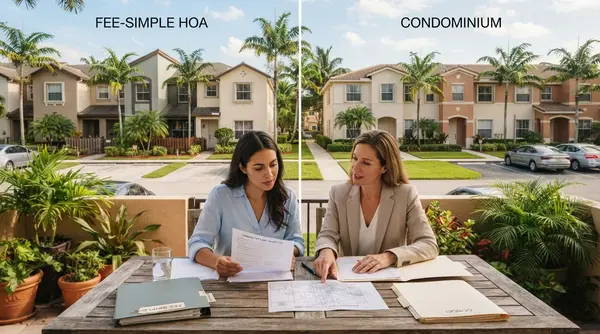
Condos and townhomes may include association rules, monthly fees, reserve requirements, insurance issues, approval timelines, and special assessments. In Florida, certain condominium and cooperative buildings may also be affected by building safety requirements, milestone inspections, reserve studies, and updated financial obligations. These details can affect affordability and peace of mind, so they should be reviewed carefully before making a decision.
A 55+ community may offer a lifestyle that fits some homeowners, while other homeowners may prefer a mixed-age building, a familiar neighborhood, or a single-family home near family. The right choice depends on your needs, preferences, budget, and long-term plans.
The best downsizing decision compares property types honestly, not emotionally.
Review Timing: Should You Sell First or Buy First?
Timing is one of the hardest parts of downsizing in Miami.
Selling first can give you a clearer picture of your proceeds. It may also reduce the risk of carrying two homes at once. The challenge is that you may need temporary housing if you do not find the right next place quickly.
Buying first can give you more control over where you move. You know where you are going before selling your current home. The challenge is that you may need stronger financing, more cash reserves, or the ability to carry both properties for a period of time.
There is no universal answer.
The right strategy depends on your finances, equity, loan approval, comfort level, inventory in your target area, and whether temporary housing is realistic. Speak with your lender and Realtor before assuming one approach is better.
For some Miami homeowners, a carefully planned sale timeline works best. For others, finding the next property first may feel more comfortable. The key is to plan before pressure builds.
Review Emotional Readiness
Downsizing is not only a real estate decision. It is an emotional decision.
A home may hold decades of memories. It may represent family milestones, holidays, caregiving, work, loss, success, and identity. Even when moving makes practical sense, leaving can feel difficult.
Emotional readiness does not mean you feel no sadness. It means you can think clearly enough to make a decision that supports your life now.
Ask yourself:
Am I ready to let go of this home, or only frustrated with maintenance?
Would changes to the current home make staying easier?
Am I choosing a new lifestyle, or reacting to stress?
Do I feel clear about what I want next?
Have I talked with the people who matter to me?
Some homeowners need time. That is normal. A caring Realtor should not rush this conversation.
My goal is never to push someone into selling. My goal is to help homeowners understand their options clearly, so they can make a decision that protects their peace of mind, their finances, and their future.
Review How Downsizing Affects Family Conversations
Family can play a helpful role in downsizing, but family conversations can also become emotional.
Adult children may have opinions about selling, staying, inheritance, location, finances, or future care. Some may want a parent closer. Others may feel attached to the family home. Homeowners may feel pressure from different directions.
It is helpful to separate the emotional conversation from the practical one.
The practical questions include:
What home fits your current life?
What can you afford comfortably?
What maintenance do you want to manage?
What location supports your daily needs?
What next-home options are realistic?
What professional advice is needed?
If estate planning, taxes, family ownership, or future care concerns are involved, speak with the appropriate professionals. A Realtor can help with the real estate side, but legal, tax, and financial questions should be reviewed by qualified advisors.
Common Mistakes Miami Homeowners Make When Downsizing
One common mistake is assuming downsizing always saves money. A smaller property can still have high taxes, insurance, HOA fees, condo fees, or assessments.
Another mistake is selling before reviewing realistic next-home options. This can create stress if inventory is limited in your preferred areas or price range.
Some homeowners underestimate the cost of repairs before selling. Others over-improve the home before understanding what buyers in that market actually value.
Another mistake is focusing only on square footage. Layout, parking, storage, elevator access, outdoor space, guest space, building rules, and daily logistics may matter more than size.
Condo buyers sometimes overlook association documents, reserves, insurance, fees, rules, and special assessments. These details can affect affordability and comfort.
Finally, some homeowners wait until the home becomes too difficult to manage. Planning early can create more choices and less pressure.
Questions to Ask Before Making a Decision
Use these questions as a practical downsizing checklist:
Does my current home still fit my daily life?
Which parts of the home do I no longer use?
What maintenance feels manageable, and what feels overwhelming?
What are my full monthly and annual housing costs?
What major repairs may be coming?
How much equity may I have after selling costs?
What would I realistically buy or rent next?
Would a condo, villa, townhome, smaller house, or rental fit best?
Are HOA fees, condo fees, or special assessments part of the next move?
Do I want to stay near my current routines?
How important are family proximity, medical access, commute, and familiar services?
Am I emotionally ready, or do I need more time?
Should I sell first or buy first?
Which professionals should I speak with before deciding?
These questions can help you slow down and think clearly.
When Downsizing May Not Be the Right Move
Downsizing may not be right if your current home still fits your life and budget.
It may also be better to wait if you cannot find a next home that meets your needs, if the financial savings are smaller than expected, or if the emotional timing feels wrong.
Some homeowners decide to stay and make changes instead. That may include simplifying rooms, hiring more maintenance help, updating key systems, modifying a bathroom, improving accessibility, or reorganizing the home.
Downsizing before retirement can be useful for some people, but it should not be done only because others expect it. The decision should support your life, not someone else’s timeline.
How a Realtor Can Help You Compare Your Options
A local Realtor can help you compare staying, selling, and moving with real numbers and real options.
This may include reviewing your home’s estimated market value, likely buyer expectations, repair considerations, timing, current competition, and what similar homes are selling for. A Realtor can also help you explore next-home options, including smaller single-family homes, condos, villas, townhomes, and rentals.
For Miami homeowners, local context matters. Property type, building age, insurance, HOA rules, condo reserves, parking, traffic, access to services, and neighborhood familiarity can all affect the decision.
A good Realtor should not pressure you to sell. The role is to help you understand what is realistic, what tradeoffs exist, and what next steps would look like if you decide to move.
FAQ: Downsizing in Miami
What should I review before downsizing in Miami?
Before downsizing in Miami, review your lifestyle needs, housing costs, maintenance responsibilities, insurance, property taxes, equity, future mobility needs, desired location, and realistic next-home options.
Is downsizing always cheaper?
No. Downsizing is not always cheaper. A smaller home may still have high property taxes, insurance, condo fees, HOA fees, special assessments, or maintenance costs. Compare the full monthly cost before deciding.
Should I sell my current home before buying a smaller one?
It depends on your finances, equity, loan approval, inventory, and comfort level. Selling first can provide financial clarity. Buying first can provide more control over where you move. Speak with your Realtor and lender before choosing.
What are common downsizing mistakes?
Common mistakes include assuming downsizing always saves money, selling before reviewing next-home options, underestimating repairs, ignoring condo or HOA costs, focusing only on size, and rushing before feeling emotionally ready.
Is a condo a good downsizing option in Miami?
A condo can be a good option for some Miami homeowners who want less exterior maintenance and a more convenient lifestyle. Review fees, reserves, insurance, special assessments, parking, rules, building condition, and financing requirements before deciding.
How do I know if I am emotionally ready to downsize?
You may be emotionally ready if you can acknowledge the memories in your home while also thinking clearly about what you need next. If the idea feels overwhelming, give yourself time and talk through the decision with trusted people and professionals.
Final Thoughts
Downsizing in Miami is not simply about selling a larger home and buying a smaller one. It is about choosing a home that better fits your life, budget, energy, responsibilities, and next chapter.
For some South Florida homeowners, downsizing can reduce stress, simplify maintenance, free up equity, and improve daily comfort. For others, staying, renovating, or waiting may be the better decision.
If you are wondering whether your current home still fits your life, the best first step is not to rush into selling. It is to review your options, compare the numbers, and understand what your next move could realistically look like.
A local Realtor can help you compare staying, selling, downsizing, or buying something that better fits your next chapter.
Recent Posts








GET MORE INFORMATION