
The Hidden Costs Florida Homeowners Forget to Calculate Before Selling

Selling a home can look simple from the outside. You estimate what the home may sell for, subtract what you owe, and assume the rest is what you keep.
In reality, the final number depends on more than the sale price.
Before selling, Florida homeowners should understand their estimated net proceeds, not just their estimated home value. Net proceeds are the amount you may walk away with after mortgage payoff, closing costs, commissions, repairs, preparation, taxes, HOA or condo fees, assessments, insurance adjustments, moving costs, and the cost of your next home.
That does not mean selling is a bad idea. It simply means the decision should be based on clear numbers.
For Miami and South Florida homeowners, this is especially important because insurance, taxes, association fees, repairs, and moving costs can all affect the final picture.
The Main Answer: What Hidden Costs Should Florida Homeowners Calculate Before Selling?
The hidden costs Florida homeowners often forget before selling include mortgage payoff, closing costs, real estate commission, repairs, home preparation, moving expenses, property taxes, HOA or condo fees, insurance, possible assessments, temporary housing, storage, and the cost of buying or renting the next home.
The most important number is not only the sale price. The most important number is the estimated amount you may keep after all expected selling and transition costs are reviewed.
A good seller estimate should include:
- Estimated sale price
- Mortgage payoff
- Seller closing costs
- Real estate commission
- Repairs or credits
- Home preparation
- Property tax prorations
- HOA or condo fees
- Special assessments, if applicable
- Insurance considerations
- Moving and storage costs
- Temporary housing, if needed
- Cost of your next purchase or rental
- Emergency cushion after the move
This is why a net sheet is helpful. It gives homeowners a clearer estimate of what they may actually walk away with before they make decisions.
Key Takeaways
- Your home’s sale price is not the same as your walk-away amount.
- Net proceeds estimate what you may keep after selling costs, payoff, and adjustments.
- In Florida, sellers should pay attention to documentary stamp taxes, commissions, prorations, repairs, insurance, HOA fees, condo fees, and assessments.
- Your mortgage payoff may be different from your current mortgage balance.
- Moving costs, storage, temporary housing, and the next home’s costs should be reviewed before listing.
- A Realtor can help estimate value, review likely seller expenses, and prepare a realistic net sheet.
Sale Price vs. Net Proceeds: Why They Are Not the Same
Your home’s sale price is the amount a buyer agrees to pay for the property. Your net proceeds are the estimated amount you keep after selling expenses and mortgage payoff.
For example, if a home sells for $600,000, the seller does not automatically walk away with $600,000 minus the mortgage balance. Several items may be deducted or adjusted before closing.
Those may include commission, closing costs, documentary stamp taxes, mortgage payoff, prorated property taxes, association-related fees, agreed repairs, buyer credits, title-related expenses, and other transaction costs.
This is why homeowners should avoid making plans based only on a home value estimate.
A home may be worth more than it was several years ago, but the true question is: What do you keep after the sale, and is that enough for your next step?
For example, a Miami homeowner may have built strong equity over time, but insurance, property taxes, repairs, association fees, and the cost of the next home can still change the final decision.
That next step may be buying a larger home, right-sizing, relocating, renting for a while, retiring, helping family, or simplifying your lifestyle.
The decision becomes clearer when the numbers are realistic.
Mortgage Payoff: Why Your Loan Balance May Not Be the Final Number
Your mortgage payoff is the amount needed to fully pay off your loan at closing. It may not be exactly the same as the balance you see on your monthly statement.
A payoff amount can include interest owed through the intended payoff date, as well as other unpaid fees or possible prepayment-related charges depending on the loan.
That matters because a seller may look at an online mortgage balance and assume that is the exact amount that will be deducted at closing. The final payoff can be different.
Before selling, homeowners should understand:
- Current mortgage balance
- Estimated payoff amount
- Any home equity loan or line of credit
- Any liens or unpaid obligations tied to the property
- Whether the payoff amount has a good-through date
If you have more than one loan on the property, those payoffs should also be included in the seller net estimate.
For Miami homeowners thinking about selling and buying another home, this number is especially important. Your payoff affects how much equity you may have available for the next purchase.
Closing Costs and Seller Expenses in Florida
Florida seller closing costs can vary by county, contract terms, property type, and negotiated agreement. Sellers should review expected expenses before deciding whether selling makes sense.
One common Florida seller cost is documentary stamp tax on the deed. In Florida, deeds and other documents that transfer an interest in real property may be subject to documentary stamp tax, and Miami-Dade County has its own documentary stamp tax considerations.
Because the exact amount can depend on the property, county, contract terms, and transaction details, sellers should review this with the closing agent, title company, attorney, lender, or Realtor involved in the sale.
Other seller-side expenses may include:
- Settlement or closing fees
- Title-related fees, depending on county custom and contract terms
- Recording-related charges
- Courier, wire, or administrative fees
- Municipal or lien search fees
- Prorated property taxes
- HOA or condo estoppel fees
- Buyer credits, if negotiated
- Attorney fees, if used
This is not legal or financial advice. The exact numbers should be reviewed with the closing agent, title company, attorney, lender, and Realtor involved in the transaction.
The main point is simple: closing costs should be estimated before you make plans with your expected proceeds.
Real Estate Commission
Real estate commission is another important item sellers should include in their estimated net proceeds.
Commission is usually part of the seller’s net sheet, which helps estimate what the seller may receive after transaction expenses. Commission terms can vary and should be negotiated clearly before listing.
The important thing is not to guess.
A homeowner may think, “My home could sell for a certain amount, so I should walk away with a certain amount.” But once commission and other seller costs are included, the final estimate may look different.
A good pre-listing conversation should include:
- Expected sale price range
- Commission structure
- Estimated closing costs
- Mortgage payoff
- Preparation and repair budget
- Estimated net proceeds
That way, the homeowner can decide based on the full picture.
Repairs and Preparation Costs
Repairs and preparation costs are some of the most commonly forgotten costs before selling a home.
A home does not always need major renovations before listing. In many cases, the goal is not to make the home perfect. The goal is to prepare it well enough to attract serious buyers and avoid unnecessary objections.
Common preparation costs may include:
- Deep cleaning
- Decluttering
- Landscaping
- Pressure cleaning
- Interior paint
- Minor handyman repairs
- Light fixture updates
- Small plumbing or electrical repairs
- Carpet cleaning or flooring touch-ups
- Window cleaning
- Pool cleaning or service
- Staging or partial staging
- Hauling unwanted items
In South Florida, buyers may also pay close attention to larger property concerns such as:
- Roof age and condition
- Air conditioning system
- Plumbing
- Electrical systems
- Signs of moisture or leaks
- Hurricane protection
- Windows and doors
- Termite or pest issues
Some repairs may be handled before listing. Others may become negotiation points after inspection. Sometimes a seller chooses to offer a credit instead of completing a repair. The best approach depends on the home, market conditions, buyer expectations, and seller goals.
What matters most is planning ahead. Surprise repair costs can affect your net proceeds if you do not account for them early.
Insurance, Property Taxes, HOA Fees, Condo Fees, and Assessments
Florida homeowners should pay special attention to insurance, property taxes, HOA fees, condo fees, and assessments before selling.
These costs can affect both the sale and the next move.
Insurance
Insurance can influence buyer affordability and confidence, especially in South Florida. Buyers may want to understand roof age, wind mitigation features, flood zone details, claims history, and the likely cost of coverage.
For sellers, insurance also matters during the transition. If there is overlap between homes, or if the home remains vacant for a period of time, coverage questions should be reviewed with an insurance professional.
Property Taxes
Property taxes are typically prorated at closing based on the closing date and local tax calendar. Sellers should understand that prorations can affect the final settlement statement.
If you are buying another home in Florida, also remember that the next home’s property tax picture may look different from your current one.
HOA and Condo Fees
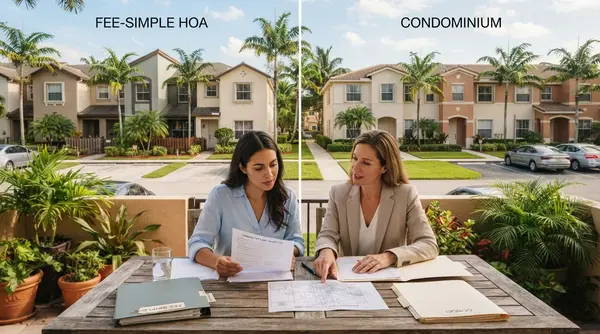
If your home is in an HOA, condo, or townhome community, association-related costs may include estoppel fees, transfer fees, application fees, unpaid dues, special assessments, or document-related charges.
Condo owners should be especially careful about association-related costs and disclosures. In Florida, condo transactions have become more complicated because buyers, lenders, and sellers may need to review building-related documents, milestone inspections, reserve information, structural integrity reserve studies, pending projects, and possible special assessments.
Many homeowners do not fully understand how these items can affect a sale until they are already in the middle of a transaction. If you are selling a condo or a property with an association, review association documents, fees, pending projects, reserves, and any known assessments early.
Moving Costs and Transition Costs
Moving costs are easy to underestimate because they may not show up on the closing statement. But they still affect how much money you actually have after selling.
Common moving and transition costs include:
- Professional movers
- Packing materials
- Storage unit
- Temporary housing
- Hotel stays
- Utility deposits
- Utility transfer fees
- Pet boarding
- Travel costs
- Cleaning after move-out
- Furniture delivery
- Repairs or setup in the next home
- Overlap between two homes
- Mail forwarding and address changes
- Time off work
For move-up sellers, there may be a period where you are managing both the sale of your current home and the purchase of the next one. For downsizers and retirees, there may be costs related to sorting belongings, donating items, hiring help, or preparing for a simpler living arrangement.
These costs may not all be large, but together they can change the true net picture.
The Cost of Buying the Next Home
Selling is only one side of the decision. Homeowners also need to think about where they are going next.
If you plan to buy another home, review the next-home costs before listing your current home.
That may include:
- Down payment
- Buyer closing costs
- Loan costs
- Home inspection
- Appraisal
- Insurance
- Property taxes
- HOA or condo fees
- Moving costs
- Repairs after purchase
- Furniture or appliances
- Emergency reserves
This is especially important for Miami and South Florida homeowners who bought years ago and may now have a lower mortgage payment than what a new purchase would require.
A homeowner may have strong equity but still feel cautious because the next home’s monthly payment, insurance, taxes, and HOA fees may be higher than expected.
That does not mean moving is wrong. It means the next step should be reviewed carefully.
Why This Matters More When the Market Feels Uncertain
When the economy, insurance costs, interest rates, or housing market feel uncertain, homeowners tend to be more cautious. That caution makes sense.
Selling a home is a major decision. It can affect your monthly budget, lifestyle, retirement plans, family plans, and future flexibility.
Understanding your net proceeds can help you answer important questions:
- Can I afford the next home comfortably?
- Should I sell before I buy?
- Would right-sizing actually reduce stress?
- Would moving up create too much pressure?
- Do I have enough equity to make this move?
- Should I wait, prepare slowly, or move forward?
- Would selling help me simplify financially?
- What will I have left after all costs?
Clear numbers do not remove every emotion from the decision. But they can reduce uncertainty.
The goal is not to pressure you to sell. The goal is to help you make a decision with your eyes open.
A Simple Pre-Selling Checklist for Florida Homeowners
Before deciding to sell, review these items:
- Estimated current home value
- Mortgage payoff amount
- Home equity loan or line of credit payoff, if any
- Estimated real estate commission
- Estimated Florida seller closing costs
- Documentary stamp tax estimate
- Property tax prorations
- HOA or condo fees
- Known or possible special assessments
- Estoppel or association-related fees
- Repairs needed before listing
- Inspection-related repair possibilities
- Cleaning, landscaping, painting, and preparation costs
- Staging or photography preparation
- Moving company estimates
- Storage or temporary housing costs
- Utility setup or deposits
- Cost of buying or renting the next home
- Emergency savings after closing
- Estimated net proceeds
This checklist is not a substitute for a professional net sheet, but it can help you start asking the right questions.
When Should You Ask for Help?
You should ask for help before you make major plans based on an estimated sale price.
A Realtor can help you review:
- What your home may realistically sell for
- How your home compares to recent sales
- What repairs or preparation may matter
- Which costs may affect your net proceeds
- What buyers may expect in your area
- Whether selling now supports your next step
- What a realistic seller net sheet may look like
For Miami and South Florida homeowners, this kind of review can be especially helpful because property type matters. A single-family home, condo, townhome, villa, or HOA community can each have different costs and considerations.
A good Realtor should not pressure you. The role is to help you understand your options clearly.
Final Thoughts: Know Your Net Before You Decide
Selling your Florida home can still be a very good decision. It may help you move up, right-size, relocate, retire, simplify, or move closer to the life you want next.
But the decision should be based on more than a sale price.
Before selling, understand your estimated net proceeds. Review your mortgage payoff, closing costs, commission, repairs, preparation, taxes, HOA or condo fees, insurance considerations, assessments, moving expenses, and next-home costs.
The clearer the numbers, the calmer the decision becomes.
If you are thinking about selling your Miami or South Florida home, I can help you review your home’s estimated value, likely selling costs, and possible net proceeds before you make any decisions. We can look at the numbers together so you understand what selling may actually mean for your next step.
FAQs About the Hidden Costs of Selling a House in Florida
What costs should I calculate before selling my Florida home?
Before selling your Florida home, calculate your mortgage payoff, seller closing costs, real estate commission, property tax prorations, repairs, preparation costs, HOA or condo fees, assessments, moving costs, storage, temporary housing, and the cost of your next home.
What is the difference between sale price and net proceeds?
The sale price is what the buyer agrees to pay for your home. Net proceeds are what you may keep after mortgage payoff, closing costs, commissions, credits, repairs, taxes, fees, and other expenses are deducted.
Do sellers pay closing costs in Florida?
Yes, Florida sellers typically have closing costs, although the exact expenses can vary by county, property type, contract terms, and negotiation. Common seller costs may include documentary stamp tax, prorations, title-related expenses, association fees, commission, and other transaction charges.
Should I make repairs before selling?
You do not always need to make every repair before selling. Some repairs may help the home show better or reduce buyer objections. Others may be handled through negotiation or credits. The best choice depends on the home’s condition, buyer expectations, and your selling strategy.
How do HOA or condo fees affect selling?
HOA and condo fees can affect selling because unpaid dues, transfer fees, estoppel fees, application fees, special assessments, and association documents may matter during the transaction. Condo sellers should pay close attention to assessments, reserves, milestone inspections, building-related disclosures, and any known or pending association projects.
How can I estimate how much I will walk away with?
You can estimate your walk-away amount by preparing a seller net sheet. Start with your estimated sale price, then subtract mortgage payoff, commission, closing costs, taxes, fees, repairs, credits, and other expected expenses. A Realtor can help prepare a more realistic estimate.
Should I sell before buying my next home?
Whether you should sell before buying depends on your equity, cash reserves, financing, risk tolerance, market conditions, and next-home options. Some homeowners need to sell first to access proceeds. Others may be able to buy first. The best answer depends on your numbers and comfort level.
Recent Posts









GET MORE INFORMATION