
Should You Sell Your Miami Home As-Is or Make Repairs First?

Selling your Miami home as-is may make sense if repairs would cost too much, delay your move, or fail to improve your net proceeds. Making repairs first may make sense if specific fixes help buyers feel safer, improve financing options, reduce inspection concerns, or support a stronger list price.
The right answer is not “always repair” or “always sell as-is.” The best decision depends on your home’s condition, your budget, your timeline, buyer expectations, insurance concerns, and what you are likely to keep after expenses.
This decision can feel heavier than people expect. Maybe you know the home needs work, but you do not want to spend money blindly. Maybe you are tired of maintenance, worried about one more big repair, or unsure whether buyers will focus on the home’s flaws instead of its value.
If that is where you are, you are not alone. Many Miami and South Florida homeowners reach this point after years of caring for a property that now feels older, larger, or more demanding than it used to. The goal is not to make the house perfect. The goal is to make a clear decision before you spend money, delay your move, or create more stress for yourself.
Quick Answer: Should You Sell As-Is or Make Repairs First?
| Question | Selling As-Is May Make Sense |
| Your timeline | You want fewer delays |
| Your budget | Repairs would create stress |
| Roof condition | Roof is old and costly to replace |
| Buyer type | You may attract cash or renovation-minded buyers |
| Financing concerns | Some buyers may not qualify due to condition |
| Inspection risk | You prefer transparency and pricing accordingly |
| Net proceeds | Repairs may not pay you back |
| Emotional stress | You are done managing the property |
| Question | Making Repairs May Make Sense |
| Your timeline | You have time before listing |
| Your budget | You can fund targeted repairs |
| Roof condition | Minor roof issues can be documented or corrected |
| Buyer type | You want broader buyer appeal |
| Financing concerns | Repairs may help with appraisal or loan requirements |
| Inspection risk | You want fewer inspection objections |
| Net proceeds | Repairs may support a stronger sale price |
| Emotional stress | You can handle the process calmly |
Takeaway: Before making repairs, compare the likely sale price, repair cost, time, stress, and net proceeds.
Why This Decision Feels So Personal
Selling a home is not only a financial decision. For many homeowners, the house carries memories, family history, pride, and pressure.
You may know the home needs work, but that does not mean you want to “give it away.” You may want buyers to see its value, not just its flaws. You may also worry that an inspection will bring up a long list of problems, even if you have lived with those issues for years.
This is especially common for older Miami homes, long-owned family properties, downsizing sellers, retirees, empty nesters, and homeowners who feel the house has become too much to maintain.
A good selling plan should protect your money and your peace of mind. It should help you decide what is worth doing, what is not necessary, and what could create more stress than value.
Sometimes the Real Question Is Not Just About Repairs
For many homeowners, the question is not only, “Can this house be repaired?”
The deeper question may be: “Do I want to keep managing repairs before I can move forward?”
That is a very different decision.
A homeowner may be able to replace flooring, paint, fix small plumbing items, clean up the yard, and call contractors. But if the house already feels like too much, taking on a repair project before selling can feel like one more burden.
This is especially true for homeowners who are downsizing, right-sizing, helping aging parents, managing an inherited property, or simply feeling worn down after years of maintenance.
There is nothing wrong with preparing a home well. There is also nothing wrong with saying, “I need a simpler path.”
A good selling plan should compare both options honestly. What could repairs improve? What would they cost? How much time would they take? What could go wrong during the process? And most importantly, would those repairs truly improve your final result, or would they only add stress before the sale?
What Does Selling a Miami Home As-Is Really Mean?
Selling a home as-is usually means the seller is offering the property in its current condition and does not plan to make repairs before closing. It does not mean the home is worthless, neglected, or desperate.
It also does not mean the seller should hide known problems. In Florida, selling as-is does not remove a seller’s responsibility to disclose known latent defects. Florida Realtors explains that even when a residential property is sold as-is, the seller still has an obligation to disclose known latent defects.
That distinction matters. “As-is” is mainly about repair responsibility. It does not prevent buyers from inspecting the property, asking questions, or deciding whether the home works for them.
For some Miami homeowners, as-is simply means: “I want buyers to understand the condition upfront, and I want to price the home honestly instead of taking on repairs I may not want, need, or be able to manage.”
Takeaway: As-is is not a confession that the home is bad. It is a selling strategy that should be used carefully, honestly, and with the right pricing plan.
When Making Repairs Before Selling May Help
Repairs may help when they reduce buyer hesitation, improve financing options, or make the home easier to insure or appraise. In Miami, the most important repairs are often not cosmetic. They are the items that affect confidence.
Roof, Water, and Structural Concerns
Roof age is one of the biggest concerns in South Florida. Buyers may love the home but hesitate if the roof is old, leaking, poorly documented, or near the end of its useful life.
Insurance can also affect buyer confidence. Citizens Property Insurance has published roof-age guidance and remaining-useful-life updates that show how closely Florida insurance decisions can be tied to roof condition and documentation.
That does not mean every seller should replace a roof before listing. A full roof replacement can be expensive, slow, and stressful. But it does mean roof documentation, permit history, repair records, and realistic pricing matter.
Takeaway: Roof issues should be evaluated before listing, but replacement is not automatically the best financial choice.
Electrical, Plumbing, and Safety Issues
Repairs may also help when a problem affects safety, habitability, or buyer financing. Fannie Mae’s selling guide says appraisal reports must identify physical deficiencies that could affect a property’s safety, soundness, or structural integrity.
That can matter if your likely buyer needs conventional financing. A buyer may be willing to accept cosmetic work, but lenders and appraisers may pay closer attention to serious condition issues.
Examples include exposed wiring, active leaks, major plumbing problems, unsafe stairs, broken windows, or visible structural concerns. These items can create more friction than dated flooring or older cabinets.
Takeaway: Safety and structural issues usually deserve more attention than cosmetic updates.
Simple Presentation Improvements
Some low-stress improvements can help buyers see the home more clearly. These may include deep cleaning, yard cleanup, pressure washing, decluttering, touch-up paint, improved lighting, and removing obvious debris.
These are not major renovations. They are presentation steps. They can make photos look better, help buyers feel more comfortable, and reduce the feeling that the home has been poorly maintained.
For homeowners who feel overwhelmed, even these tasks should be prioritized. You do not need to do everything. You need to do the things that help buyers understand the home without distraction.
Takeaway: Light preparation can help without turning the sale into a full renovation project.
When Selling As-Is May Make More Sense
Selling as-is may make sense when repairs are too expensive, too uncertain, or unlikely to return enough money after the sale.
The Repairs Are Too Large for Your Budget
If the home needs a roof, plumbing updates, electrical work, flooring, kitchen updates, paint, landscaping, and permit corrections, the total can become overwhelming quickly.
Many sellers start with “small repairs” and slowly realize the project keeps growing. One repair reveals another. One contractor recommends another specialist. One small update makes the rest of the house look older.
In that situation, selling as-is may create more control. Instead of spending months managing repairs, you can price the home based on condition and let buyers decide what they want to improve.
Takeaway: Selling as-is can be a practical choice when repairs create too much financial or emotional pressure.
The Home Needs Updates Buyers May Redo Anyway
Not every buyer wants your version of a renovation. A seller may spend money on new flooring, countertops, fixtures, or paint colors, only for the buyer to change them later.
This is especially true in Miami neighborhoods where buyers have strong design preferences. Some want modern finishes. Some want tropical style. Some want a clean blank slate. Others want to renovate fully after closing.
If updates are mainly cosmetic, it may be smarter to clean, organize, price correctly, and let the buyer choose.
Takeaway: Cosmetic renovations do not always increase your net proceeds.
You Need Certainty More Than Perfection
Some homeowners are ready to move because the house no longer fits their life. Maybe the stairs are too much. Maybe the yard is too much. Maybe the kids have moved out. Maybe the home was perfect for one chapter, but not this one.
In those cases, the best plan may not be the one that gets the highest theoretical sale price. It may be the plan that gives you the strongest combination of timing, certainty, net proceeds, and peace.
This connects naturally with topics like Right-Sizing in Miami: When Your Home Feels Like Too Much and When Your Home No Longer Fits Your Family.
Takeaway: The best selling strategy should support your next step, not trap you in months of repairs.
Miami and South Florida Factors That Matter
Miami homes have local issues that sellers in other markets may not face in the same way.
Roof Age and Insurance Concerns
Roof condition can affect buyer confidence, insurance conversations, and negotiation strategy. Before replacing a roof, review the roof age, permit history, repair history, material type, visible condition, and likely buyer profile.
A newer roof with clean documentation can help. An older roof does not automatically mean you must replace it, but it should be factored into pricing and buyer expectations.
Hurricane Protection
Buyers may ask about impact windows, shutters, garage doors, and opening protection. Miami-Dade County provides product approval resources and permitting information for windows, shutters, doors, and related systems.
If your home has hurricane protection, gather documentation before listing. If it does not, do not assume you must install everything before selling. Compare the cost, time, permits, and likely buyer response first.
Older Homes and Permits
Many Miami and South Florida homes have decades of improvements. Some may have older additions, converted spaces, replaced windows, electrical updates, plumbing work, or roof work that buyers may ask about.
Before listing, it helps to review permits, tax records, known improvements, and any open or unresolved issues. This is not about creating fear. It is about reducing surprises.
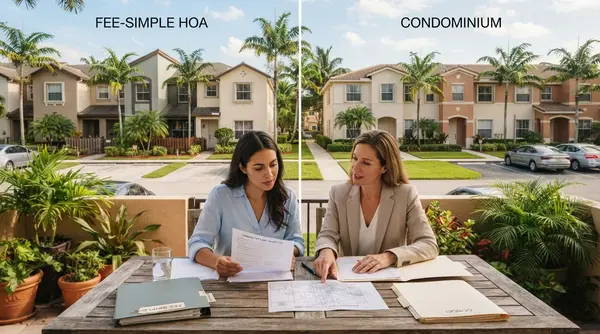
Condos, Townhomes, and HOA Expectations
If the property is in a condo association or homeowners association, buyers may also care about association rules, exterior responsibilities, reserves, assessments, insurance, and approval timelines.
For condos, repairs inside the unit are only one part of the decision. Building condition, monthly fees, special assessments, and association documents may also affect buyer confidence.
Buyer Financing
A cash buyer may accept more condition issues than a financed buyer. A conventional, Federal Housing Administration (FHA), or Veterans Affairs (VA) buyer may face more property-condition requirements.
That does not mean you should only target cash buyers. It means your repair decision should consider who the most likely buyer is.
Takeaway: Miami sellers should think beyond cosmetics. Roofs, insurance, hurricane protection, permits, associations, and financing can shape the selling strategy.
Why Repairs Do Not Always Guarantee a Higher Net Result
Repairs can increase sale price, but sale price is not the same as net proceeds.
Your net proceeds are what you keep after repair costs, preparation costs, closing costs, mortgage payoff, commissions, credits, and other selling expenses. A repair only helps financially if it improves your result after those costs.
For example, imagine a seller spends $35,000 on updates and sells for $45,000 more. That may sound like a $10,000 gain. But if the repairs caused two extra months of carrying costs, stress, contractor delays, and additional fixes, the real benefit may be smaller.
This is why sellers should compare numbers before starting work. You may also want to read Hidden Costs Florida Homeowners Forget to Calculate Before Selling as a companion topic.
Takeaway: A higher sale price is only helpful if it leads to a better net result.
Checklist: What to Ask Before Spending Money on Repairs
Before you repair, update, or renovate, ask these questions:
- What is the likely sale price if I sell the home as-is?
- What is the likely sale price if I make targeted repairs?
- What repairs would buyers actually care about?
- Which repairs are cosmetic, and which affect safety, insurance, financing, or inspections?
- How much will the repairs cost, including permits, labor, materials, and delays?
- How long will the work take?
- Can I handle the stress of contractors, dust, decisions, and unexpected issues?
- Will the repair make the home easier to finance or insure?
- Will the buyer probably redo this work anyway?
- What happens if I spend the money and the market shifts?
- What is my estimated net proceeds in each scenario?
- What option gives me the most control and least regret?
Simple rule: Do not spend money on repairs until you understand how those repairs may affect your sale price, timeline, buyer pool, and net proceeds.
A Practical Decision Framework
Consider Making Repairs First If:
You have time before selling.
You have a clear repair budget.
The issue affects safety, financing, or buyer confidence.
The repair is limited and easy to complete.
The likely increase in value is greater than the cost and stress.
The repair helps the home compete with similar Miami listings.
Consider Selling As-Is If:
The home needs major work.
You are emotionally or physically tired of managing the property.
The repairs may not return enough value.
You need a simpler sale process.
The buyer is likely to renovate anyway.
You prefer pricing the home honestly instead of taking on more projects.
Consider a Middle Option If:
You do not want to renovate, but you can clean, declutter, landscape, and gather documentation. This middle path often works well for homeowners who want the home to show respectfully without over-investing.
What a No-Pressure Review Can Help You Compare
A no-pressure review should not push you toward one answer. It should help you see your options clearly.
A good review may include:
Your home’s current condition.
Recent comparable sales.
Buyer expectations in your Miami neighborhood.
Likely as-is value.
Likely repaired value.
Estimated repair cost ranges.
Potential inspection concerns.
Possible financing or insurance objections.
Estimated net proceeds in different scenarios.
This gives you a plan before you spend money. It also helps you avoid doing repairs just because you feel guilty, embarrassed, or pressured.
Before You Spend Money on Repairs
Before you spend money on repairs, it may help to review your home’s condition, buyer expectations, and likely selling options.
Some repairs may be worth doing. Others may not be necessary. And in some cases, selling as-is with the right pricing and disclosure strategy may be a more practical path.
If you are unsure, I can help you compare what may be worth doing, what may not be necessary, and what the numbers could look like before you make a decision.
There is no pressure to renovate, and there is no pressure to sell as-is. The goal is simply to help you choose the option that protects your time, money, and peace of mind.
You can also visit the How Much Is My Home Worth? page to start with a realistic value range before deciding what repairs make sense.
FAQs
Is it better to sell a house as-is in Miami?
Selling as-is may be better if the home needs major repairs, you want to avoid delays, or the cost of repairs may not improve your net proceeds. Making repairs may be better if specific issues affect safety, buyer confidence, financing, insurance, or inspection results.
What repairs should I consider before selling a home?
Consider repairs that affect safety, water intrusion, roof condition, electrical systems, plumbing, structural concerns, and obvious maintenance issues. Cosmetic repairs may help presentation, but they should be compared against cost, time, and likely buyer expectations.
Do I have to make repairs before listing my house?
You usually do not have to make repairs before listing your house, but you should understand how the home’s condition may affect pricing, buyer interest, inspections, financing, and negotiations. In Florida, selling as-is does not remove the duty to disclose known latent defects.
Can I sell a home that needs roof, plumbing, electrical, or cosmetic work?
Yes, you can sell a home that needs work, but the strategy matters. Major roof, plumbing, or electrical concerns may affect buyer confidence, insurance, financing, or appraisal conditions. Cosmetic work is usually easier for buyers to accept, especially if the home is priced correctly.
Will repairs always increase my sale price?
Repairs do not always increase your sale price enough to justify the cost. A repair should be judged by its effect on net proceeds, not just the final sale price. Time, carrying costs, stress, permits, and unexpected issues should all be included in the decision.
How do I know if repairs are worth it before selling?
Repairs may be worth it if they solve a buyer objection, improve financing options, reduce inspection risk, or support a higher net result. The best way to decide is to compare the likely as-is sale price, repaired sale price, repair costs, timeline, and estimated net proceeds.
Recent Posts







GET MORE INFORMATION