
What If You Buy the Wrong Home? What Miami Buyers Should Review Before Making an Offer
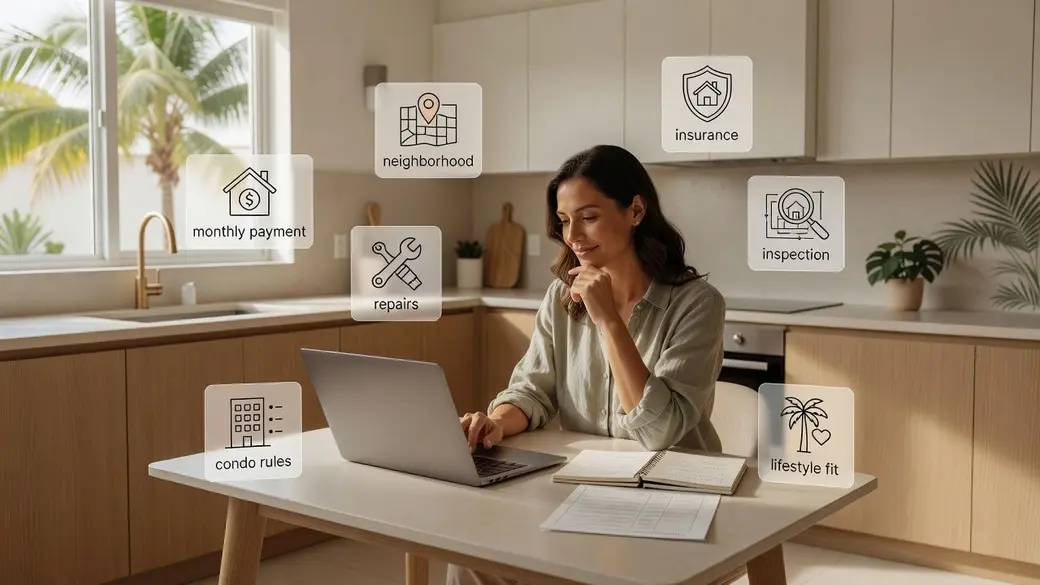
Buying the wrong home in Miami usually does not happen because a buyer ignores everything. It happens when a home looks right on the surface, but the full picture was not reviewed carefully enough before the offer. Monthly payment, location, condition, insurance, repairs, association rules, commute, flood risk, and lifestyle fit all matter.
It is normal to feel nervous before making an offer.
Many Miami buyers quietly ask themselves:
- “What if I make an expensive mistake?”
- “What if I choose the wrong neighborhood?”
- “What if the monthly payment is too much?”
- “What if the house needs more work than I realized?”
- “What if I regret buying?”
Those questions do not mean you are not ready to buy. They mean you are taking the decision seriously.
A good home purchase should not be rushed by pressure or fear. It should be guided by clear information, realistic numbers, and honest conversations about how the home will fit your life after closing.
Key Takeaways for Miami Buyers
- The “wrong home” is often a home that does not fit your budget, daily life, repair tolerance, or long-term plans.
- Your monthly payment should feel livable after including principal, interest, taxes, insurance, association fees, utilities, and maintenance.
- The Consumer Financial Protection Bureau says buyers should estimate taxes and homeowners insurance, then subtract those costs from their target monthly payment to understand what they can afford for principal and interest.
- Miami-Dade single-family median sale prices reached $680,000 in May 2026, while existing condo median prices were $415,000, so payment comfort is especially important in this market.
- Insurance can affect affordability in Florida, although recent insurance reforms are showing signs of easing some costs and improving market stability.
- Condo and HOA rules should be reviewed early because fees, reserves, assessments, rental rules, pet policies, parking, financing restrictions, and building condition can affect your decision.
- A Miami Realtor can help you slow down, compare the right details, and make a confident offer without feeling pushed.
Why Do Miami Buyers Worry About Choosing the Wrong Home?
Miami buyers worry about choosing the wrong home because the decision affects more than the purchase price. A home also affects your monthly budget, commute, insurance costs, repair responsibilities, lifestyle, flexibility, and future resale options.
In Miami, the fear can feel stronger because the market is layered. A buyer may be comparing single-family homes in Kendall, townhomes in Doral, condos in Brickell, older homes near Coral Gables, newer construction farther south, or waterfront properties with higher insurance considerations.
Each option may solve one problem while creating another.
A condo may reduce exterior maintenance but add association rules and monthly fees. A larger single-family home may offer more space but require more upkeep. A home farther west or south may offer more value but change commute patterns. A beautiful older home may have charm but need updates.
The goal is not to find a perfect home. Perfect rarely exists.
The goal is to understand the tradeoffs before you make an offer, so you are choosing with clarity instead of guessing.
The Monthly Payment Has to Feel Livable
The first question is not only, “Can I qualify?”
The better question is, “Can I live comfortably with this payment?”
A lender may help you understand what you can qualify for, but your real comfort level depends on your life. Your monthly housing cost may include mortgage principal and interest, property taxes, homeowners insurance, flood insurance when applicable, mortgage insurance, association fees, utilities, maintenance, and repairs.
The CFPB explains that your total monthly home payment includes several costs, and buyers should estimate property taxes and homeowners insurance before deciding what they can comfortably afford for principal and interest.
That matters in Miami because small changes can make a big difference. Insurance, taxes, condo fees, and interest rates can move a payment from “comfortable” to “stressful.”
A home may be beautiful, well-located, and popular, but if the payment makes your everyday life feel tight, it may not be the right home for you.
A buyer-friendly way to think about payment
Before making an offer, look at the full monthly picture, not just the list price.
Ask yourself:
- Will this payment still feel manageable after closing?
- Have I included taxes and insurance?
- Have I included HOA or condo fees?
- Will I still have room for savings, emergencies, and normal life?
- Would this payment still feel okay if repairs came up in the first year?
A good purchase should help you move forward, not make you feel trapped.
The Neighborhood Matters Beyond the Listing Photos
A home can look perfect online and still feel wrong once you understand the area better.
In Miami, location affects daily life in very specific ways. Commute routes, traffic patterns, parking, nearby services, school logistics, access to family, walkability, flood zones, noise, and future development can all shape how a home feels after you move in.
Listing photos show the property. They do not show your Tuesday morning routine.
That is why buyers should think beyond the images.
A neighborhood may be a good fit if it supports your real life, not just your wish list. For one buyer, that may mean being closer to work or family. For another, it may mean having more space, a shorter drive to daily activities, easier access to major roads, or a quieter setting.
Miami is not one-size-fits-all. The right area depends on your routine.
What to notice before making an offer
Before you decide, think about:
- How the commute feels at the times you actually travel
- Whether parking is realistic
- How close you are to the places you visit every week
- Whether the area feels comfortable at different times of day
- Whether nearby construction or zoning changes may affect your experience
- Whether the location supports your life for the next few years
You are not just buying walls and a roof. You are buying a daily pattern.
Condition, Insurance, and Repairs Can Change the Real Cost
A home’s real cost is not only the purchase price.
Condition matters. Insurance matters. Repairs matter. In Florida, those items can affect whether a home is financially comfortable after closing.
A home may appear affordable, but inspection findings, older systems, roof age, plumbing issues, electrical updates, impact windows, air conditioning age, flood considerations, and insurance quotes can change the picture.
Florida Realtors reported in May 2026 that recent insurance reforms were beginning to reshape the state’s insurance market, with litigation dropping, some insurers filing rate decreases, and more companies entering or reentering the market. Still, insurance remains an important affordability issue for Florida buyers.
That is why Miami buyers should look at condition and insurance early.
A house that needs updates is not automatically a bad choice. Some buyers are comfortable improving a home over time. Others need something more move-in ready. The issue is not whether the home is perfect. The issue is whether the cost and work match your budget, timeline, and stress tolerance.
Repairs are not just numbers
Repairs affect more than money. They can affect your time, comfort, and energy.
A buyer who works long hours may not want a major project. A buyer with flexible timing may be more open to updates. A buyer who wants predictability may prefer a newer property. A buyer who values location may accept more repairs for the right area.
The right answer depends on you.
HOA and Condo Rules Should Be Reviewed Early
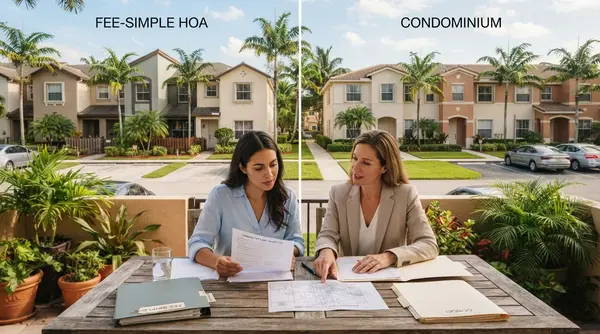
In Miami, many buyers consider condos, townhomes, villas, and gated communities. These properties can be excellent options, but association rules and finances matter.
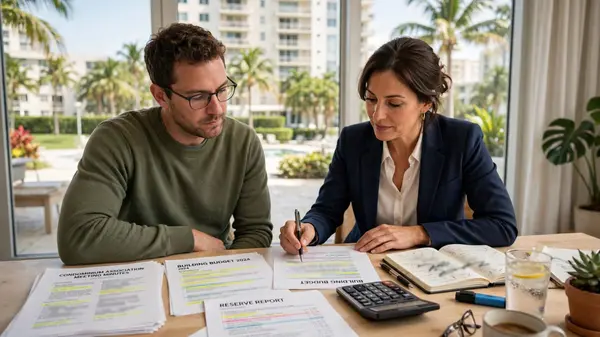
Before making an offer, buyers should understand that the monthly association fee is only part of the story. Rules, reserves, assessments, insurance, building condition, rental restrictions, pet policies, parking, guest rules, financing restrictions, and approval processes can all affect the decision.
This is especially important for condo buyers in South Florida. Depending on the building, lender, loan type, reserves, insurance, assessments, and association documents, some buyers may face additional review before financing is approved.
Condo buyers should review association documents, reserves, insurance, rules, fees, possible assessments, building condition, and financing requirements early in the process. These details can affect whether the property is a good fit, even when the unit itself looks right.
This does not mean buyers should avoid condos. It means buyers should understand the building before they fall too deeply in love with the unit.
Condo and HOA fit matters
A beautiful unit may not be the right fit if the rules do not match your life.
For example, you may need to understand:
- Pet rules
- Rental restrictions
- Parking assignments
- Guest parking
- Reserves and assessments
- Building insurance
- Approval timelines
- Financing limitations
- Maintenance responsibilities
- Rules for renovations
A condo can be a wonderful choice when the building, budget, rules, and lifestyle all fit together.
A Good Home on Paper May Not Fit Your Lifestyle
Sometimes the home checks the obvious boxes but still feels wrong.
It has the bedrooms. It has the square footage. It has the updated kitchen. It is in the budget. It photographs well.
But something does not fit.
Maybe the layout does not work for how you live. Maybe the commute is too draining. Maybe the stairs will become frustrating. Maybe the yard is more maintenance than you want. Maybe the building rules feel too restrictive. Maybe the location is convenient for today but not for where your life is heading.
That is why lifestyle fit matters.
A home should support your daily life, not just impress you during a showing.
Questions that reveal lifestyle fit
Before making an offer, ask yourself:
- Can I picture my normal weekday here?
- Does the layout fit how I actually live?
- Is the storage realistic?
- Will the commute feel manageable?
- Do I want this level of maintenance?
- Will this home still make sense in three to five years?
- Am I choosing this home because it fits me, or because I am afraid to miss out?
The right home should feel practical, not just exciting.
How to Slow Down Without Losing a Good Opportunity
Miami buyers often worry that if they slow down, they will lose the home.
That fear is understandable, especially when a property is priced well or located in a desirable area. Miami-Dade buyers are still navigating an active market, so preparation matters. When you understand your budget, financing, insurance questions, and must-have priorities before the right home appears, you can move with more confidence and less panic.
But slowing down does not mean doing nothing.
It means reviewing the right details before you act.
A strong offer can still be thoughtful. A calm buyer can still move quickly. The key is preparation before the right home appears.
If you understand your budget, preferred areas, financing, insurance considerations, and must-have priorities ahead of time, you can make decisions faster without feeling reckless.
Clarity helps you move faster
The more prepared you are, the less you have to panic.
When you already know what matters most, you can look at a home and ask:
- Does this fit my payment comfort?
- Does this location support my routine?
- Do I understand the condition?
- Are the association rules acceptable?
- Does this home fit my next chapter?
That kind of clarity helps you act with confidence.
Questions Miami Buyers Should Ask Before Making an Offer
This is not a full inspection or legal review. It is a simple way to slow your thinking before making a major decision.
Payment Questions
- What is the estimated full monthly payment?
- Does it include taxes, insurance, HOA or condo fees, and mortgage insurance if applicable?
- Will I still have enough room for savings and normal expenses?
- What payment would start to feel uncomfortable?
Location Questions
- How does the commute feel during my real travel times?
- Is this location convenient for my daily routine?
- Have I visited the area at different times of day?
- Are there nearby changes or developments I should understand?
Condition Questions
- How old are the roof, air conditioning, plumbing, electrical system, and major appliances?
- Are there visible signs of deferred maintenance?
- Would I be comfortable handling repairs after closing?
- Do I need quotes or expert opinions before moving forward?
Insurance Questions
- Can this home be insured at a cost that works with my budget?
- Is flood insurance needed or recommended?
- Are there wind mitigation features that may affect insurance?
- Does the home’s condition create insurance concerns?
Condo or HOA Questions
- What are the monthly fees?
- Are there special assessments?
- Are reserves and building documents available for review?
- Do the rules fit my lifestyle?
- Are there rental, pet, parking, guest, or renovation restrictions?
Lifestyle Questions
- Can I picture my daily life here?
- Does the layout work for how I live?
- Am I comfortable with the maintenance level?
- Does this home fit my next few years, not just today?
What If You Still Feel Nervous?
Feeling nervous before making an offer does not always mean the home is wrong.
Sometimes nerves come from the size of the decision. Buying a home is a major financial and personal step. Some uncertainty is normal.
The goal is not to remove every feeling. The goal is to separate fear from facts.
Fear says, “What if I regret this?”
Facts ask, “Does the payment work, does the location fit, does the condition make sense, and do I understand the tradeoffs?”
When the facts are clear, the decision becomes calmer.
You may still feel excited and nervous. That is normal. But you should not feel confused, pressured, or ignored.
Final Thoughts From a Miami Realtor
Buying a home in Miami is not about finding the perfect property. It is about finding the right fit for your budget, lifestyle, timing, and future plans.
The wrong home is not always the one with the smallest kitchen or the older bathroom. Sometimes the wrong home is the one that stretches your payment too far, adds more maintenance than you want, creates a difficult daily routine, or comes with rules you did not fully understand.
A good buying process gives you space to review the full picture.
You deserve to understand the numbers. You deserve to know what questions to ask. You deserve to look beyond the listing photos. You deserve guidance that helps you make a confident decision, not a rushed one.
If you are thinking about buying in Miami and want help reviewing the homes, neighborhoods, numbers, and tradeoffs before making an offer, I would be happy to guide you through the process.
Clarity comes before commitment.
FAQs
How do I know if I am buying the wrong home in Miami?
You may be at risk of buying the wrong home if the monthly payment feels uncomfortable, the location does not fit your routine, the repair needs are unclear, the insurance cost is higher than expected, or the condo or HOA rules do not match your lifestyle.
What should I review before making an offer on a Miami home?
Before making an offer, review the full monthly payment, property condition, insurance cost, flood considerations, neighborhood fit, commute, HOA or condo rules, association fees, repair needs, and your long-term lifestyle needs.
Is it normal to feel scared before buying a home?
Yes. It is normal to feel nervous before buying a home because it is a major decision. The goal is to use facts, numbers, inspections, insurance information, and professional guidance to make the decision feel clearer.
How much should I spend on a home in Miami?
The right amount depends on your income, savings, debt, loan terms, taxes, insurance, and comfort level. The CFPB recommends estimating taxes and homeowners insurance, then subtracting those costs from your target monthly payment to understand what you can afford for principal and interest.
Why is insurance so important when buying a home in Miami?
Insurance is important because it can significantly affect your monthly housing cost and loan approval. Florida insurance costs and availability have been a major affordability issue, although recent reforms are showing signs of improving market stability.
Should I buy a condo in Miami?
A Miami condo can be a good fit if the payment, building condition, reserves, rules, location, financing, and lifestyle all work for you. Buyers should review association documents, fees, assessments, insurance, rental rules, pet rules, and financing limitations before moving forward.
Can I slow down without losing a home?
Yes. You can slow down by preparing before you shop. When your budget, financing, preferred areas, and priorities are clear, you can make faster decisions without feeling rushed or careless.
What is the biggest mistake Miami buyers make before making an offer?
One of the biggest mistakes is focusing only on the purchase price and listing photos. The real decision should include payment comfort, insurance, taxes, condition, location, association rules, commute, and lifestyle fit.
Recent Posts

GET MORE INFORMATION