
What Does It Really Cost to Buy a Home in Miami? Expenses Buyers Should Calculate Before Making an Offer

The true cost of buying a home in Miami includes much more than the purchase price and mortgage payment. Buyers should also calculate closing costs, property taxes, homeowners and flood insurance, inspections, association fees, repairs, maintenance, and emergency reserves.
A lender may tell you how much you qualify to borrow. That number does not always tell you what will feel comfortable to own each month.
Before making an offer, it helps to look at the complete financial picture. The goal is not to make buying feel intimidating. It is to help you choose a home you can enjoy without being surprised by expenses after closing.
What Costs Should Miami Homebuyers Calculate?
The cost of buying a Miami home falls into three main categories:
- Cash needed before and at closing
- Monthly ownership expenses
- Post-closing repairs, maintenance, and reserves
Here is a quick overview:
|
Expense |
When You Pay It |
What Buyers Should Know |
|
At closing |
Depends on the loan program and your financial plan |
|
|
Earnest money deposit |
After the contract is accepted |
Usually credited toward the amount due at closing |
|
Inspections |
During the inspection period |
May include general, roof, termite, sewer, mold, or specialty inspections |
|
Appraisal |
During the loan process |
Usually required by the lender |
|
Closing costs |
At closing |
Often include lender, title, recording, escrow, and prepaid expenses |
|
Property taxes |
Monthly or annually |
A buyer’s future tax bill may differ from the seller’s current bill |
|
Homeowners insurance |
Monthly or annually |
Cost and availability depend heavily on the property |
|
Flood insurance |
Monthly or annually |
May be required by the lender or chosen for added protection |
|
HOA or condo fees |
Monthly, quarterly, or annually |
Review what the fee covers and whether increases are expected |
|
Special assessments |
As required by an association |
Existing or planned assessments can affect affordability |
|
Repairs and maintenance |
After closing |
Older roofs, air-conditioning systems, plumbing, and electrical systems may require reserves |
|
After a covered hurricane loss |
Often much larger than a standard insurance deductible |
The purchase price tells you what the property costs to buy. The total ownership budget tells you what the property costs to keep.
How Much Cash Will You Need to Close?
Your cash to close may include your down payment, closing costs, prepaid insurance, tax escrows, lender-required reserves, and other transaction expenses.
The Consumer Financial Protection Bureau states that closing costs commonly range from 2% to 5% of the purchase price, not including the down payment. The actual amount depends on the property, loan, lender, location, and transaction terms.
For example:
|
Purchase Price |
Estimated Closing Costs at 2% |
Estimated Closing Costs at 5% |
|
$400,000 |
$8,000 |
$20,000 |
|
$500,000 |
$10,000 |
$25,000 |
|
$650,000 |
$13,000 |
$32,500 |
|
$800,000 |
$16,000 |
$40,000 |
These are planning ranges, not quotes. Your lender and closing professional should provide estimates based on your specific purchase.
The Consumer Financial Protection Bureau’s Loan Estimate identifies projected closing costs and estimated cash to close. The final Closing Disclosure should be reviewed carefully, especially when the total differs from an earlier estimate.
Is the earnest money deposit an extra cost?
Earnest money is generally a deposit made after the seller accepts your offer. It shows that you intend to proceed under the terms of the contract.
When the transaction closes, the deposit is normally credited toward the amount you owe. It is still important to understand the contract deadlines and circumstances under which the deposit may be refundable or at risk.
The deposit amount, timing, and protections depend on the contract. Buyers should follow all financing, inspection, association, and other contingency deadlines carefully.
How Much Should You Budget for Inspections?
A general home inspection can help identify visible concerns involving the roof, plumbing, electrical system, air conditioning, structure, appliances, and other components.
Depending on the property, a Miami buyer may also consider:
- Roof inspection
- Wind mitigation inspection
- Four-point inspection
- Termite or wood-destroying organism inspection
- Sewer scope
- Mold assessment
- Pool inspection
- Seawall or dock inspection
- Septic inspection
- Specialized structural evaluation
Not every property needs every inspection. A newer condominium and an older single-family home present very different risks.
An inspection does not guarantee that a home will never need repairs. It gives you more information before your inspection period expires and before you become responsible for the property.
The purpose of an inspection is not to find a perfect house. It is to understand the house you are considering buying.
Why Should Buyers Get an Insurance Quote Before Making a Final Decision?
In South Florida, insurance should be evaluated early. Do not assume that a property will be affordable to insure simply because another nearby property has coverage.
An insurance company may consider factors such as:
- Roof age, type, and remaining useful life
- Electrical system
- Plumbing system
- Water heater
- Age and condition of the home
- Prior claims
- Wind mitigation features
- Impact windows, shutters, and other hurricane protection
- Flood exposure
- Replacement cost
- Property occupancy and use
The premium is only one part of the insurance decision. Buyers should also review coverage limits, exclusions, deductibles, and whether flood or wind-related coverage requires separate consideration.
Florida insurers must offer certain hurricane deductible options, including $500, 2%, 5%, or 10% of the policy’s dwelling or structure limit, subject to statutory exceptions. The deductible must also be shown as a dollar amount.
For example, a 2% hurricane deductible on a home insured for $500,000 would equal:
$500,000 × 2% = $10,000
That amount is different from a 2% deductible based on the purchase price. It is generally calculated using the insured dwelling or structure limit.
A manageable annual premium can still come with a large hurricane deductible. Buyers should understand both numbers.
Will the Buyer’s Property Taxes Be the Same as the Seller’s?
Not necessarily.
The seller’s tax bill may reflect a homestead exemption, years of capped assessed-value increases, portability benefits, or other exemptions that do not automatically transfer to the buyer.
The Miami-Dade County Property Appraiser explains that Florida’s Homestead Exemption can reduce the taxable value of a qualifying primary residence by up to $50,000. The county also explains that qualified homeowners may transfer a homestead assessment difference through portability.
That does not mean every buyer will receive the same benefit or tax amount. Eligibility, filing deadlines, assessed value, exemptions, municipal rates, and the buyer’s circumstances all matter.
Before making an offer, review:
- The property’s current tax bill
- The current assessed and market values
- Whether the seller has exemptions
- An estimate based on the anticipated purchase price
- Whether you may qualify for homestead exemption or portability
Miami-Dade’s property search allows buyers to review ownership, sales, assessed value, exemptions, taxable value, and other property characteristics.
The seller’s current property tax bill is a historical reference, not a promise of the buyer’s future tax bill.
What Should Condo Buyers Calculate Beyond the Monthly Fee?
A condominium’s association fee may cover some combination of building insurance, reserves, exterior maintenance, amenities, security, water, cable, or other shared expenses. The amount alone does not tell you whether the association is financially healthy.
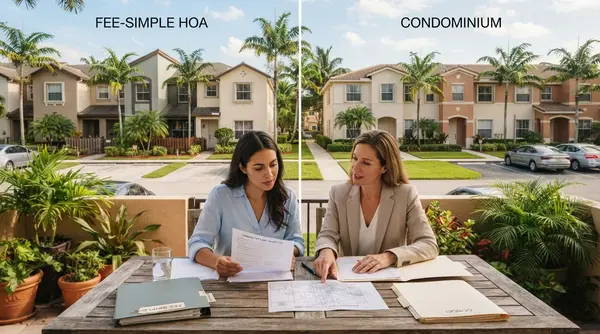
The monthly expenses and maintenance responsibilities can also be very different depending on whether you are choosing between a condo and a single-family home in Miami.
Before buying a Miami condo, review:
- Current monthly or quarterly fee
- Recent fee increases
- Approved budget
- Reserve funding
- Pending or current special assessments
- Association financial statements
- Meeting minutes
- Insurance information
- Litigation
- Planned repairs
- Milestone inspection information
- Structural Integrity Reserve Study
- Rental, pet, parking, and renovation restrictions
Florida treats milestone inspections and Structural Integrity Reserve Studies as separate requirements. A Structural Integrity Reserve Study evaluates designated building components and reserve funding, while a milestone inspection addresses structural condition under the applicable law.
Florida condominium and cooperative associations subject to the applicable requirements were required to complete their Structural Integrity Reserve Studies by December 31, 2025.
Requirements and association circumstances can vary, so buyers should review the documents for the specific building and seek appropriate professional guidance when questions arise.
Documents should still be reviewed property by property. Completion of a report does not mean that no repairs, reserve increases, or assessments will follow.
A condo’s list price may look affordable while its association obligations make the total cost less comfortable.
What Immediate Repairs or Move-In Costs Should You Expect?
Even a well-maintained home may require expenses soon after closing.
Common costs include:
- Changing locks
- Interior painting
- Window treatments
- Appliance replacement
- Air-conditioning service
- Pest control
- Landscaping
- Pool service
- Security system setup
- Furniture and moving costs
- Utility deposits
- Minor plumbing or electrical work
- Hurricane shutters or protection upgrades
An inspection may also identify larger items that are working today but nearing the end of their expected service life.
For example, a functioning air-conditioning system may still deserve a replacement reserve if it is older. A roof may not leak but may create insurance concerns because of its age, material, or documentation.
The question is not only, “Does it work today?” A careful buyer also asks, “What may I need to repair or replace during the first few years?”
How Much Should You Keep in Reserves After Closing?
Avoid using every available dollar for the down payment and closing.
A reserve is money kept available for repairs, insurance deductibles, moving expenses, temporary income changes, or other surprises. The appropriate amount depends on your income stability, property condition, insurance deductibles, association obligations, and personal comfort level.
Consider separate reserves for:
- General emergencies
- Home maintenance
- Insurance deductibles
- Known future repairs
- Condo or HOA assessments
- Moving and furnishing
For a single-family home, you may be directly responsible for the roof, exterior, landscaping, plumbing, electrical system, air conditioning, and hurricane protection.
For a condo, some building expenses may be shared. However, an association can increase fees or approve assessments when additional funds are needed.
A larger down payment may lower your mortgage, but an empty savings account can make homeownership feel less secure.
How Do You Calculate the True Monthly Cost of a Miami Home?
Use this planning formula:
True monthly housing cost = principal and interest + property taxes + insurance + flood insurance + HOA or condo fees + maintenance reserve + assessment payments
You may also need to include:
- Mortgage insurance
- Parking fees
- Community development district charges
- Utilities
- Pest control
- Pool or lawn service
- Security costs
Example: A hypothetical Miami home
Assume a buyer estimates the following:
|
Monthly Expense |
Estimated Amount |
|
Mortgage principal and interest |
$3,000 |
|
Property taxes |
$650 |
|
Homeowners insurance |
$500 |
|
Flood insurance |
$125 |
|
HOA fee |
$150 |
|
Maintenance reserve |
$350 |
|
Estimated true monthly cost |
$4,775 |
The mortgage portion is $3,000, but the estimated ownership budget is $4,775.
This example is for education only. Actual loan payments, insurance, taxes, fees, and maintenance costs vary widely.
It demonstrates why buyers should not compare homes using mortgage principal and interest alone.
Does Lender Approval Mean a Home Is Comfortably Affordable?
Lender approval measures whether you meet a loan program’s underwriting requirements. Comfortable affordability is a personal decision.
Buyers who are concerned about market conditions may also find it helpful to read my guide to buying a home during uncertain times.
A lender reviews factors such as income, debts, credit, assets, and the proposed property. You also need to consider expenses that may not appear fully in an initial online payment estimate.
Ask yourself:
- Will I still have emergency savings after closing?
- Can I handle the insurance deductible?
- Are major systems likely to need replacement?
- Could I manage a higher condo fee or special assessment?
- Does the payment leave room for retirement, travel, childcare, or other priorities?
- Would the home still feel manageable if taxes or insurance increased?
- Am I relying on overtime, bonuses, or income that is not guaranteed?
There is no prize for buying at the top of your approval amount. A lower purchase price may provide more room for repairs, savings, and everyday life.
What Should Buyers Review Before Making an Offer?
Use this practical checklist:
Financing
- Obtain a current preapproval
- Review estimated interest rate and loan terms
- Calculate down payment and closing costs
- Ask about mortgage insurance
- Compare estimated cash to close
- Keep money available after closing
Property condition
- Consider the roof’s age and documentation
- Review air-conditioning, plumbing, and electrical systems
- Identify hurricane protection
- Check permit and property records
- Plan appropriate inspections
- Estimate immediate and future repairs
Buyers may also review available permit, building, lien, violation, and property records through the municipality or county responsible for the property’s location.
Insurance and flood exposure
- Request an insurance estimate
- Review hurricane deductible
- Confirm the proposed coverage
- Evaluate flood insurance
- Ask whether inspections or mitigation reports affect the quote
Taxes and association costs
- Estimate future property taxes
- Review exemptions on the current tax record
- Confirm HOA or condo fees
- Review association budgets and reserves
- Identify pending assessments
- Read available inspection and reserve-study information
Personal comfort
- Calculate the complete monthly cost
- Keep an emergency reserve
- Plan for moving and setup expenses
- Consider future lifestyle changes
- Choose a payment that leaves breathing room
Should You Buy Less Than the Maximum Amount You Qualify For?
For many buyers, buying below the maximum approval amount creates valuable flexibility.
Choosing a home that better matches your actual space, lifestyle, and financial needs can also be part of right-sizing in Miami.
That flexibility may help you:
- Keep more savings
- Manage repairs without using high-interest debt
- Absorb insurance or tax changes
- Handle association assessments
- Continue saving for retirement
- Make gradual improvements
- Feel less financial pressure
This does not mean the least expensive home is always the best choice. A poorly maintained property can create costs that offset a lower purchase price.
The better goal is to find a home whose purchase price, condition, location, insurance profile, and ongoing expenses work together.
The Bottom Line
The true cost of buying a home in Miami includes the money needed to close, the complete monthly ownership cost, and the reserves needed after closing.
Before making an offer, calculate more than the mortgage payment. Review taxes, insurance, flood exposure, inspections, association obligations, repairs, maintenance, and hurricane deductibles.
You do not need to predict every future expense. You simply need enough information to make a thoughtful decision with fewer surprises.
Before you choose a home or decide what price feels comfortable, it may help to review the property’s condition, likely insurance needs, association costs, taxes, and estimated monthly total. I can help you organize those questions and compare your options without pressure, so you can make an offer that fits both your goals and your comfort level.
Frequently Asked Questions
How much are closing costs for a buyer in Miami?
The Consumer Financial Protection Bureau advises buyers to use 2% to 5% of the purchase price as a preliminary closing-cost estimate, excluding the down payment. Actual costs depend on the loan, lender, property, location, prepaid expenses, and transaction terms.
Is the down payment included in closing costs?
No. The down payment and closing costs are separate parts of the cash needed to close. Your total cash requirement may also include prepaid insurance, tax escrows, lender reserves, and other charges.
How much should I save after buying a house?
The right reserve depends on the property and your finances. Buyers should consider emergency savings, known repairs, insurance deductibles, maintenance, moving expenses, and possible association assessments before deciding how much cash to use at closing.
Do I need flood insurance in Miami?
A lender may require flood insurance based on the property, flood zone, and loan requirements. A buyer may also choose coverage when it is not lender-required. Obtain property-specific guidance and a quote rather than assuming one nearby home has the same exposure.
Why might my property taxes be higher than the seller’s?
The seller may have exemptions or assessed-value protections that do not transfer automatically. A sale can also affect the property’s assessed value. Estimate your future tax obligation rather than relying only on the seller’s bill.
What documents should I review before buying a Miami condo?
Review the budget, financial statements, reserves, meeting minutes, insurance, assessments, litigation, rules, milestone inspection information, and Structural Integrity Reserve Study when applicable. Also confirm what the regular association fee covers.
Should I get an insurance quote before making an offer?
Ideally, discuss insurability and likely costs as early as practical, then obtain a property-specific quote during the contract period. Roof age, construction, electrical and plumbing systems, hurricane protection, location, and claims history may affect the result.
Is a home inspection required in Florida?
A general home inspection is not the same as an appraisal and may not be required in every transaction. However, it can provide valuable information about the property before applicable contract deadlines expire.
Is buying an older Miami home always more expensive?
No. An older home may be well maintained, updated, and insurable. However, buyers should investigate the roof, plumbing, electrical system, air conditioning, permits, hurricane protection, and likely maintenance needs.
How can I compare the real cost of two homes?
Compare each home’s estimated mortgage, property taxes, insurance, flood coverage, association fees, expected maintenance, immediate repairs, and future major expenses. The lower-priced home is not always the lower-cost home.
Recent Posts








GET MORE INFORMATION